




What's Happening?
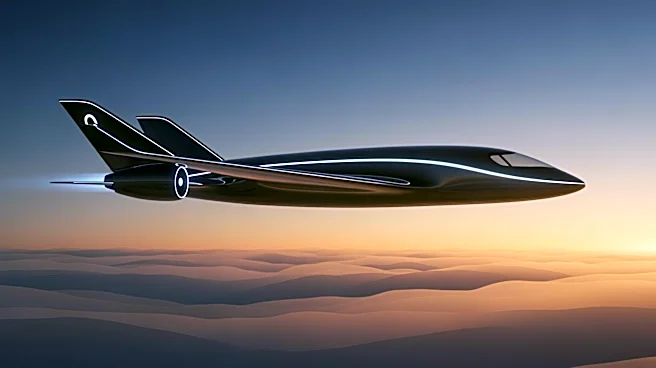
Dutch start-up Electron has announced significant design modifications to its all-electric E5 aircraft, aimed at enhancing aerodynamic performance. The changes include adopting a T-tail, switching from pusher to tractor propellers, and repositioning the
wing to a low configuration. These refinements are intended to optimize the aircraft's range and efficiency, with the first prototype expected to fly in 2027. The E5 is designed to carry five passengers and is projected to enter service by 2031, with improvements in battery technology expected to extend its range.
Why It's Important?
Electron's advancements in electric aircraft design represent a significant step towards sustainable aviation. The E5's development aligns with the industry's broader goals of reducing carbon emissions and transitioning to zero-emission flight. The design changes reflect a growing focus on optimizing electric aircraft for commercial viability, which could influence future developments in the aerospace sector. As battery technology improves, the E5's potential range and payload capacity are expected to increase, making it a competitive option for short-haul flights.
What's Next?
Electron plans to validate the E5's design changes through prototype testing in 2027. The company is also exploring further enhancements to battery efficiency and power management. As the E5 progresses towards commercial deployment, Electron will likely seek additional funding and partnerships to support its development. The success of the E5 could pave the way for broader adoption of electric aircraft in regional and short-haul markets, contributing to the decarbonization of the aviation industry.