






What's Happening?
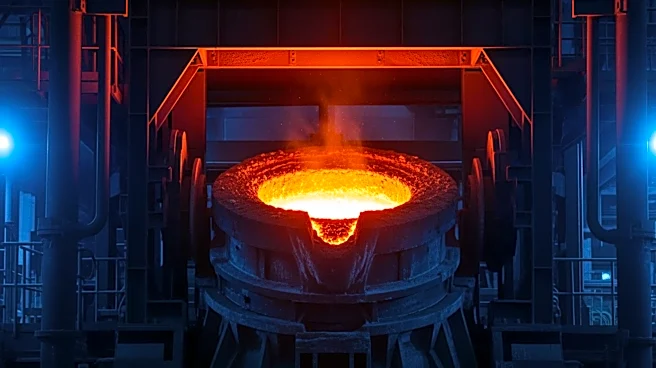
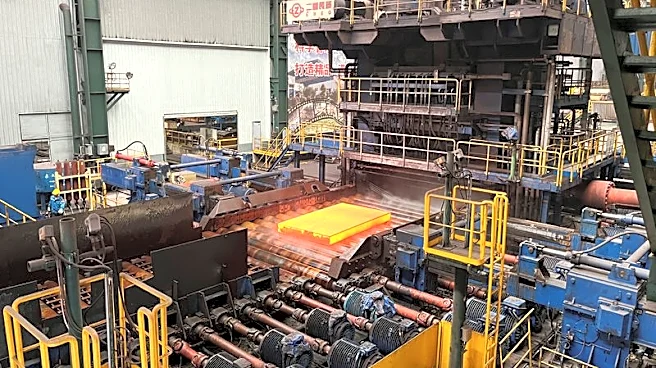
U.S. domestic raw steel output reached 1,856,000 net tons in the week ending May 2, 2026, marking a 9.6% increase compared to the same week in 2025. The capability utilization rate rose to 80.4%, up from 75.4% the previous year. This growth is attributed
to increased demand from the construction and manufacturing sectors. Regional contributions to this output included 134,000 net tons from the North East, 511,000 from the Great Lakes, 311,000 from the Midwest, 838,000 from the Southern district, and 62,000 from the Western district. Year-to-date production through May 2, 2026, totaled 31,405,000 net tons, a 6.2% increase from the same period in 2025.
Why It's Important?
The increase in steel production reflects a broader recovery in the U.S. industrial sector, driven by robust demand in construction and manufacturing. This growth is significant for the U.S. economy as it suggests a strengthening industrial base, which can lead to job creation and economic stability. The rise in capability utilization indicates improved efficiency and capacity management within the industry. This trend could benefit stakeholders in the steel supply chain, including raw material suppliers, manufacturers, and construction companies, by providing a stable supply of steel and potentially stabilizing prices.
What's Next?
Continued monitoring of steel production trends will be crucial as the industry adapts to fluctuating demand and potential economic shifts. Stakeholders may focus on maintaining efficiency and managing costs to sustain growth. The industry might also explore technological advancements to further enhance production capabilities and reduce environmental impact. Additionally, any changes in trade policies or international market dynamics could influence future production and demand.