







What's Happening?
Anthony Norman, a star of the quasi-reality comedy 'Jury Duty' season two, titled 'Company Retreat,' played a pivotal role in the series without knowing he was the central figure. The show places a real person among actors in a constructed environment,
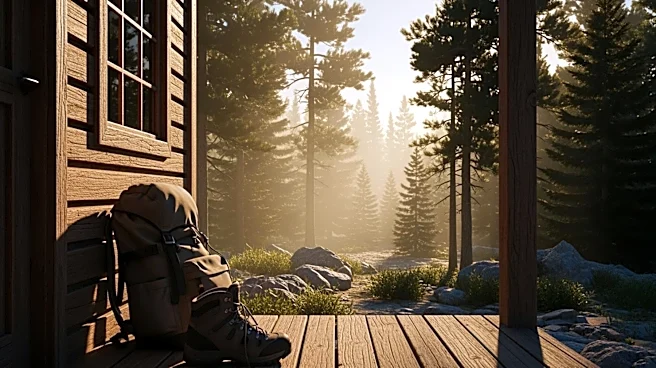
testing their reactions to various scenarios. Norman, unaware of the setup, intervened in a fictional business deal to save a small hot sauce company, Rockin’ Grandmas, from losing its workers. His genuine actions and unscripted lines, such as 'father to father,' impressed the creators and highlighted the show's theme of decency and human connection. The series, filmed at Oak Canyon Ranch Retreat, involved complex planning and hidden cameras to capture authentic interactions.
Why It's Important?
The success of 'Company Retreat' underscores the appeal of reality-based entertainment that focuses on human decency and connection. By showcasing unscripted heroism, the series offers a refreshing contrast to typical reality TV, which often emphasizes conflict and drama. This approach not only entertains but also inspires viewers by highlighting the potential for kindness and leadership in everyday situations. For the entertainment industry, it represents a shift towards content that values authenticity and positive human interactions, potentially influencing future productions to explore similar themes.
What's Next?
Following his experience on 'Company Retreat,' Anthony Norman plans to return to his roots in Nashville, where he aims to build a baseball field and facility to support his community. This decision reflects his desire to give back and foster local talent, drawing from his own experiences and the lessons learned during the show. For the creators of 'Jury Duty,' the success of the second season may lead to further explorations of unscripted reality formats, potentially expanding the series or inspiring similar projects that focus on genuine human interactions and community impact.
Beyond the Headlines
The ethical implications of 'Company Retreat' involve the balance between entertainment and the manipulation of real emotions. While the series successfully captures genuine reactions, it raises questions about the boundaries of reality TV and the responsibilities of creators towards their unsuspecting participants. Additionally, the show's focus on positive human traits could influence cultural perceptions, encouraging audiences to value empathy and leadership in their own lives. This shift towards more meaningful content may also impact how reality TV is produced and consumed, promoting a trend towards authenticity and social responsibility.