





What's Happening?
Seaports across the United States are increasingly focusing on sustainability and innovation to drive future growth and resilience. As land constraints tighten at major gateways, ports are turning to strategies such as densification, modernization, and predictive
analytics to optimize their existing footprints. These efforts are aimed at enhancing capacity and resilience without expanding physical space. Port Everglades, for example, is prioritizing synchronized growth in cruise, cargo, and energy sectors through strategic densification and capacity optimization. The port is also engaging in coral restoration initiatives as part of its environmental responsibility efforts. This approach not only addresses the immediate challenges of land constraints but also positions ports to attract next-generation vessels and global logistics partners.
Why It's Important?
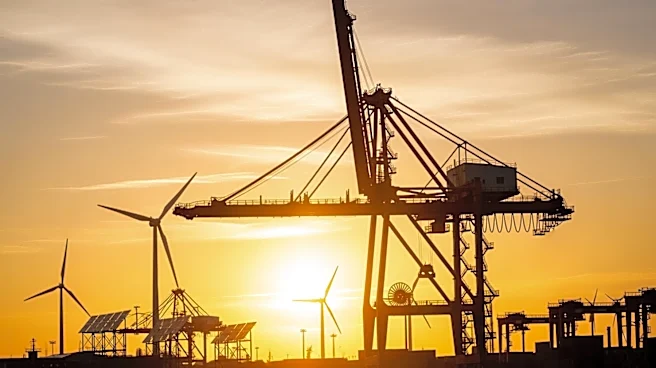
The shift towards sustainability and innovation in seaports is crucial for maintaining competitiveness in the global logistics industry. By investing in green technologies such as shore power and electrification of equipment, ports can reduce emissions and meet the growing demand for environmentally responsible operations. This transition is not just a compliance measure but a strategic opportunity to differentiate and attract business. Moreover, the integration of predictive analytics and data-driven tools enhances operational efficiency and resilience, enabling ports to better manage disruptions in global supply chains. These advancements are essential for supporting economic growth and ensuring the long-term viability of U.S. seaports in a rapidly changing global environment.
What's Next?
As seaports continue to implement sustainability and innovation strategies, collaboration with private industry and government agencies will be key to success. Ports are expected to further engage stakeholders early in the planning process to ensure that investments align with broader economic and environmental goals. The focus will likely remain on developing infrastructure that supports both operational growth and environmental stewardship. Additionally, ports may explore new opportunities in the blue economy, such as marine science and tourism, to diversify their economic impact and contribute to global environmental efforts. These initiatives will require ongoing investment and coordination to fully realize their potential benefits.