
What's Happening?
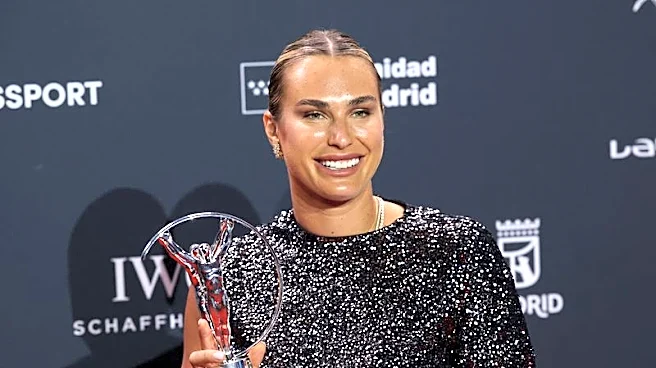
Aryna Sabalenka, a top-ranked tennis player, has suggested that a boycott might be necessary if players do not receive a larger share of tournament revenues at Grand Slam events. This sentiment is shared
by other leading players, including Coco Gauff, Elena Rybakina, and Jasmine Paolini. The players have expressed disappointment over the French Open's prize money distribution, despite an announced 10% increase in the overall prize pool. They argue that their share of the revenue has decreased, with the players' portion of Roland Garros revenue projected to drop from 15.5% in 2024 to 14.9% in 2026. The players are advocating for better representation, health options, and pensions from the Grand Slam tournaments.
Why It's Important?
The potential boycott highlights ongoing tensions between tennis players and tournament organizers over financial compensation. The players' demand for a larger share of revenues reflects broader issues of equity and fair compensation in professional sports. If a boycott were to occur, it could disrupt major tournaments and force organizers to reconsider their financial structures. This situation underscores the growing influence of athletes in negotiating terms that affect their livelihoods and the sustainability of their careers. The outcome could set a precedent for other sports where athletes seek a more equitable distribution of revenues.
What's Next?
As the French Open approaches, discussions between players and tournament organizers are likely to intensify. Players are calling for unionization to strengthen their negotiating power. The outcome of these discussions could influence the financial arrangements of future Grand Slam events. If the players' demands are not met, a boycott could become a reality, potentially affecting the tournament's operations and financial success. The situation also raises questions about the role of governing bodies in ensuring fair compensation for athletes across all levels of competition.