



What's Happening?
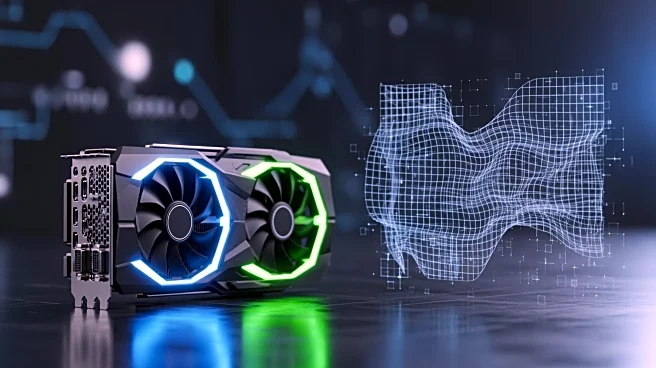
Nvidia's latest AI-powered graphics technology, DLSS 5, has been met with criticism following its debut. The technology, which aims to enhance visual realism in video games, has been described by Nvidia CEO Jensen Huang as a 'GPT moment for graphics.'
However, a demonstration video has sparked backlash due to the way it alters character appearances, particularly in games like Resident Evil Requiem. Critics argue that DLSS 5 removes artistic intent by replacing realistic character features with overly airbrushed effects. This has led to concerns about the broader implications of AI in creative fields, with some viewing it as an attempt to control and commercialize art.
Why It's Important?
The controversy surrounding DLSS 5 highlights ongoing debates about the role of AI in creative industries. While AI has the potential to enhance visual fidelity, it also raises questions about artistic integrity and the preservation of original creative intent. The backlash from artists and developers underscores the tension between technological innovation and the desire to maintain control over creative expression. This development could influence future discussions about the ethical use of AI in art and entertainment, as well as the responsibilities of tech companies in shaping cultural products.
Beyond the Headlines
The criticism of DLSS 5 reflects broader societal concerns about the impact of AI on art and culture. As AI technologies become more prevalent, there is a growing need to address issues of consent, representation, and the potential for bias in AI-generated content. The debate over DLSS 5 also touches on themes of democratization and control, with some viewing AI as a tool for empowering creators, while others see it as a means of commodifying and homogenizing art. These discussions are likely to continue as AI technologies evolve and become more integrated into everyday life.