


What's Happening?
Chinese automaker BYD has introduced a new battery pack, the Blade Battery 2.0 system, which can charge from 10% to 70% in just five minutes. This rapid charging capability is expected to address one of the main drawbacks of electric vehicles (EVs) compared
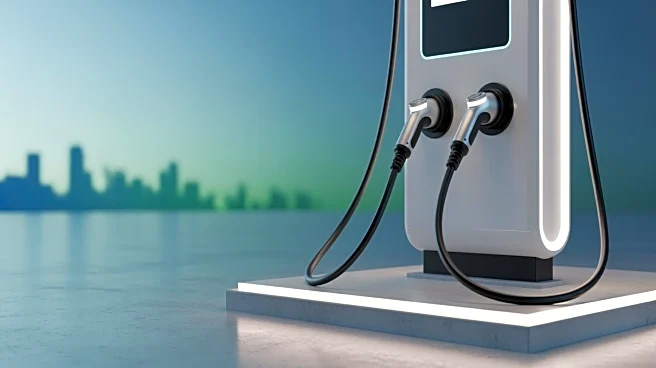
to internal combustion engines: long charging times. The battery can reach nearly full charge in about nine minutes when using BYD's new Flash Charging EV chargers, which deliver 1.5 megawatts of electricity. The Blade Battery 2.0 will debut in the Yangwang U7, a full-size luxury sedan. Despite the impressive charging speed, the technology requires specific chargers to achieve these times. BYD, a major player in the EV market, is leveraging this innovation to maintain its competitive edge amid a price war with other Chinese automakers.
Why It's Important?
The introduction of ultra-fast charging technology by BYD could significantly impact the EV market by reducing one of the key barriers to EV adoption: charging time. This development may enhance consumer confidence in EVs, potentially increasing sales and market penetration. For BYD, this innovation is crucial as it faces competition from other automakers like Tesla and emerging Chinese companies. The ability to charge quickly could make EVs more appealing to consumers who are concerned about convenience and efficiency. Additionally, the use of lithium iron phosphate (LFP) in these batteries could lower production costs, making EVs more affordable and accessible. This could lead to broader adoption of EVs, contributing to global efforts to reduce carbon emissions and combat climate change.
What's Next?
BYD plans to expand its network of Flash Charging stations, with 4,200 already completed in China and a goal to add 16,000 more by the end of the year. This expansion is essential to support the new battery technology and ensure that consumers can take full advantage of the rapid charging capabilities. The company also intends to integrate grid-scale batteries at these stations to alleviate pressure on the electrical grid. As BYD continues to innovate and expand its infrastructure, other automakers may be prompted to develop similar technologies to remain competitive. This could lead to a broader shift in the automotive industry towards faster charging solutions and more efficient battery technologies.