






What's Happening?
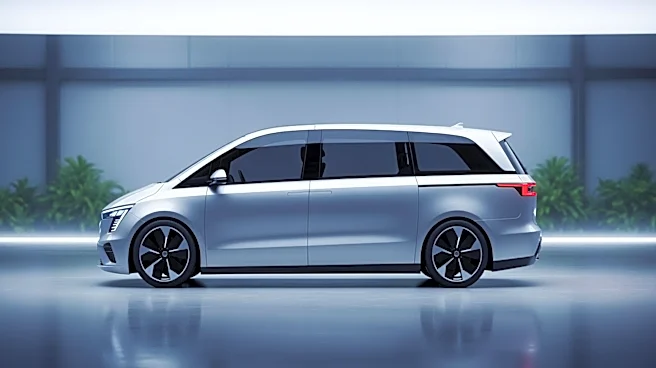
Morris Commercial has introduced its latest pre-production model of the Morris JE electric van, a vehicle inspired by the postwar Morris J-Type van. The company plans to transition from pilot production in 2027 to full-scale manufacturing by 2028. The JE is designed
as an all-electric vehicle, featuring a recycled carbon-fiber monocoque body and an aluminum chassis. It targets a payload capacity of up to 1,000 kilograms and a cargo volume of up to 6 cubic meters. The van is expected to have a driving range of up to 300 miles and fast-charging capabilities. Interest in the vehicle has been strong, with over 7,000 prospective customers registered from Europe, North America, Australia, and New Zealand. However, there is no official confirmation regarding its availability in the U.S.
Why It's Important?
The introduction of the Morris JE electric van represents a significant step in the evolution of electric vehicles, particularly in the commercial sector. By utilizing recycled materials and offering a substantial driving range, the van aligns with growing environmental concerns and the push for sustainable transportation solutions. The strong interest from various regions indicates a market demand for unique and eco-friendly commercial vehicles. This development could influence other manufacturers to explore similar innovations, potentially leading to a broader shift in the industry towards sustainable practices. The van's appeal to premium retailers and creative industries highlights a niche market that values both functionality and distinctive design.
What's Next?
Morris Commercial plans to begin pilot production of the JE van in Milton Keynes in 2027, with full-scale production set to commence in St Athan, Wales, by 2028. The company has acquired Prodrive Composites to enhance its manufacturing capabilities, which could streamline the production process. As the van moves closer to commercial availability, potential reactions from competitors and stakeholders in the automotive industry could shape future developments. The absence of a confirmed U.S. release leaves room for speculation about market expansion and potential partnerships to facilitate entry into the American market.