





What's Happening?
Industrial facilities are facing increasing pressure due to unpredictable energy prices, aging equipment, and shifting demand. Traditional energy management approaches are reaching their limits, prompting facilities to explore energy partnerships as a solution.
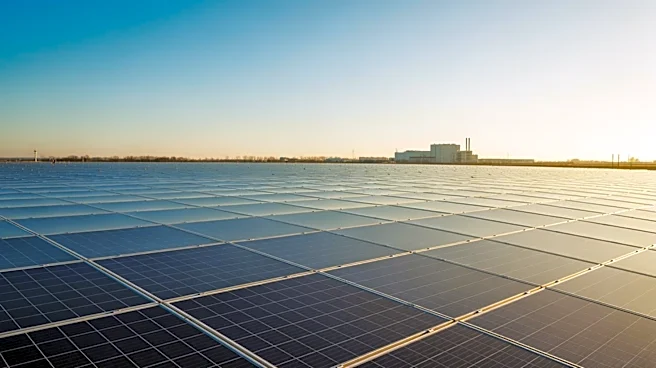
These partnerships involve shared responsibility for energy outcomes, allowing facilities to work with partners to design, manage, or operate parts of their energy systems. This approach can include on-site power generation, long-term energy supply agreements, and hybrid systems combining grid and private energy assets. The goal is to make energy cheaper, more stable, and more predictable, reducing the impact of grid instability and fuel price fluctuations.
Why It's Important?
The shift towards energy partnerships is significant for industrial facilities as it offers a way to manage energy costs more effectively. By collaborating with independent power producers, facilities can gain more control over their energy cost structure and reduce exposure to market volatility. This can lead to lower capital spending, reduced operational overhead, and more predictable energy pricing. As energy costs are a major operating expense, even small improvements in efficiency can result in substantial savings. This approach also aligns with broader trends towards sustainability and energy efficiency, which are increasingly important in the industrial sector.
What's Next?
As more facilities explore energy partnerships, we can expect to see a growing number of customized energy solutions tailored to specific facility needs. This could lead to increased investment in on-site power generation and hybrid energy systems. Additionally, as facilities gain more control over their energy costs, they may be better positioned to invest in other areas of their operations, potentially driving further innovation and efficiency improvements. The success of these partnerships will depend on careful planning and execution, as well as the ability to adapt to changing energy market conditions.