






What's Happening?
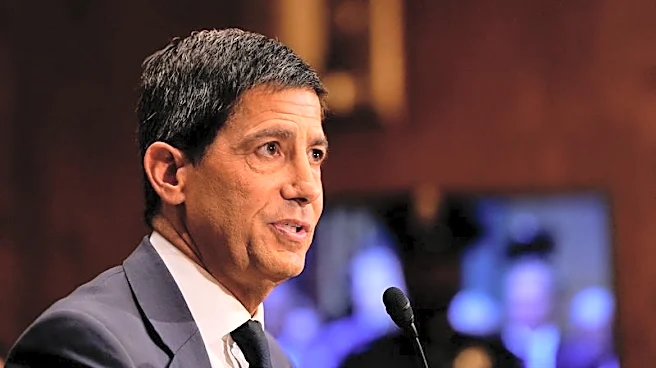
Senators Thom Tillis (R-N.C.) and Angela Alsobrooks (D-Md.) have reached a significant agreement to impose restrictions on stablecoin yield and rewards. This development comes as the Senate prepares for a crypto markup session in May. The agreement, which
was negotiated over several months with input from both banking and cryptocurrency advocates, introduces new requirements for crypto companies. These requirements include a broad prohibition on offering rewards that are economically or functionally equivalent to interest or yield on traditional bank deposits. Additionally, the agreement mandates regulators to propose a new series of stablecoin regulations, which will include the development of a stablecoin disclosure regime and a list of permissible reward activities.
Why It's Important?
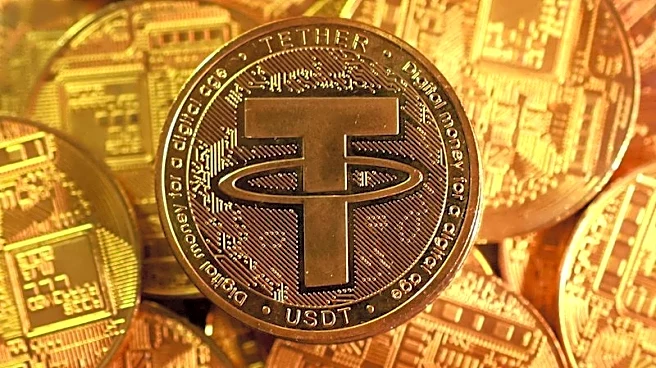
The agreement between Senators Tillis and Alsobrooks is a pivotal step in the regulation of stablecoins, a type of cryptocurrency that is pegged to a stable asset like the U.S. dollar. By restricting the yield and rewards associated with stablecoins, the legislation aims to prevent these digital assets from functioning like traditional interest-bearing accounts, which could pose risks to the financial system. This move is significant for the cryptocurrency industry as it seeks to establish a clearer regulatory framework, potentially impacting how crypto companies operate and how consumers interact with stablecoins. The legislation could also influence the broader financial market by setting a precedent for how digital currencies are regulated in the U.S.
What's Next?
As the Senate looks forward to a crypto markup session in May, the finalized agreement will likely be a focal point of discussions. The proposed regulations will require input from various stakeholders, including financial institutions, crypto companies, and consumer advocacy groups. The outcome of these discussions could lead to the implementation of new regulatory measures that will shape the future of stablecoin usage in the U.S. Additionally, the response from the cryptocurrency industry will be crucial, as companies may need to adjust their business models to comply with the new regulations.