





What's Happening?
More than 120 rights organizations, including Amnesty International and the American Civil Liberties Union, have issued a travel advisory for visitors to the United States during the upcoming FIFA World Cup. The advisory warns of potential risks associated
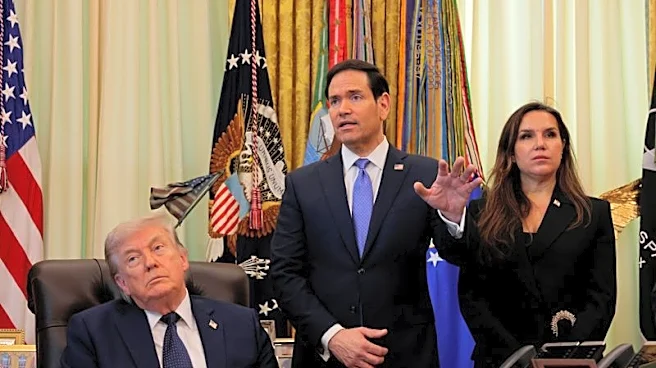
with the Trump administration's immigration enforcement policies, which they describe as violent and abusive. Concerns highlighted include the possibility of denial of entry, detention, invasive searches, and racial profiling. The advisory specifically mentions travel bans affecting nationals from Iran, Haiti, Senegal, and Ivory Coast, countries participating in the tournament. The rights groups have criticized FIFA President Gianni Infantino for his close ties to President Trump and have called on FIFA to ensure the safety and human rights of all visitors.
Why It's Important?
The travel advisory underscores significant concerns about the impact of U.S. immigration policies on international events and visitors. The World Cup, a major global sporting event, is expected to draw large numbers of fans, players, and journalists to the U.S., which is co-hosting the tournament with Canada and Mexico. The advisory could influence the decisions of potential visitors, affecting tourism and the economic benefits associated with hosting such a large-scale event. Additionally, the criticism of FIFA's handling of human rights issues highlights ongoing debates about the responsibilities of international organizations in addressing political and social concerns in host countries.
What's Next?
As the World Cup approaches, it remains to be seen how U.S. authorities will respond to the travel advisory and whether any measures will be taken to address the concerns raised by the rights groups. FIFA has stated its commitment to human rights, but the effectiveness of its efforts will be closely scrutinized. The situation may prompt further discussions between FIFA, U.S. officials, and rights organizations to ensure the safety and rights of all attendees. The advisory may also lead to increased awareness and caution among travelers, potentially impacting attendance and participation in the event.