

What's Happening?
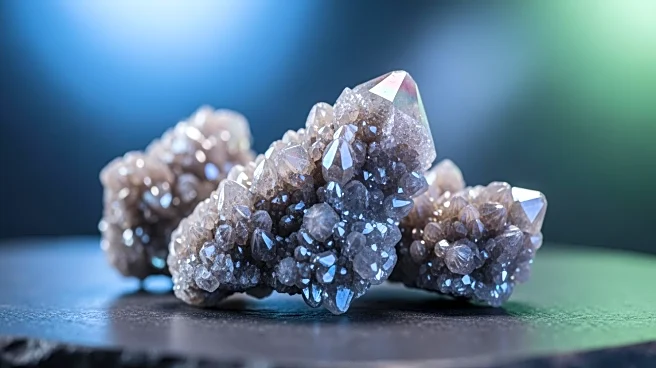
MP Materials is highlighted as a significant player in the critical minerals sector, which is becoming increasingly vital for advanced technologies such as aerospace, automotive, clean energy, and electronics. According to a recent analysis by The Economist,
critical minerals like rare earths, cobalt, tungsten, and germanium have replaced oil as the foundation of global power. These materials are essential for defense systems, AI, semiconductors, and renewable energy infrastructure. The report emphasizes that China currently dominates the mining and processing capacity for many of these minerals, prompting the U.S. to accelerate efforts to diversify supply chains and expand domestic refining capabilities. Meanwhile, Europe remains vulnerable due to its dependency on imports, despite a significant rare earth discovery in Sweden in 2023.
Why It's Important?
The shift towards critical minerals as a strategic resource underscores a major geopolitical transformation. Control over these materials equates to industrial capability and national resilience, making them the defining strategic resource of the 21st century. For the U.S., diversifying supply chains and securing domestic production is crucial to reducing dependency on China, which currently holds significant leverage due to its dominance in the sector. This shift has implications for national security, economic stability, and technological advancement. Industries reliant on these minerals, such as defense and clean energy, could face disruptions if supply chains are not secured. The strategic importance of these materials also highlights the need for international cooperation and investment in alternative sources.
What's Next?
The U.S. is expected to continue its efforts to diversify and secure its supply chains for critical minerals. This may involve increased investment in domestic mining and processing capabilities, as well as partnerships with allied countries to develop alternative sources. The discovery of rare earth deposits in Sweden could play a significant role in strengthening Europe's material sovereignty, although development of these resources may take a decade or more. As nations prioritize electrification and AI, the demand for critical minerals is likely to increase, further intensifying the geopolitical competition for these resources.
Beyond the Headlines
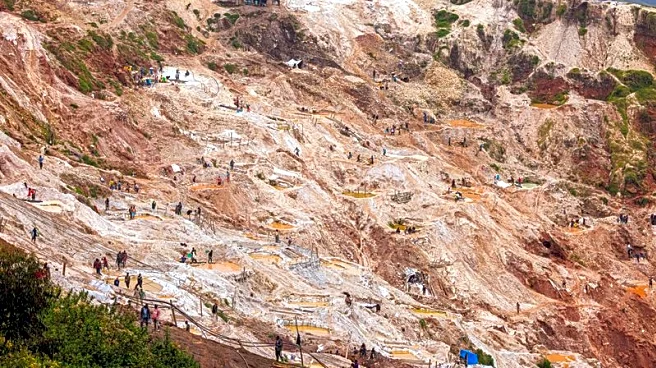
The focus on critical minerals also raises ethical and environmental concerns. Mining and processing these materials can have significant environmental impacts, and there is a need for sustainable practices to mitigate these effects. Additionally, the geopolitical competition for resources could lead to tensions between nations, particularly if access to these materials becomes a point of contention. The strategic importance of critical minerals may also drive innovation in recycling and alternative materials, as industries seek to reduce dependency on finite resources.