






What's Happening?
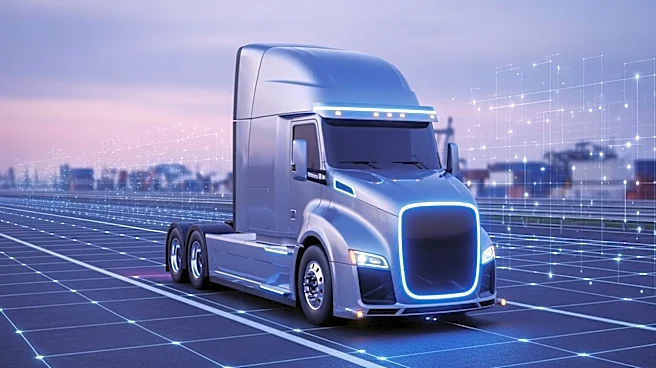
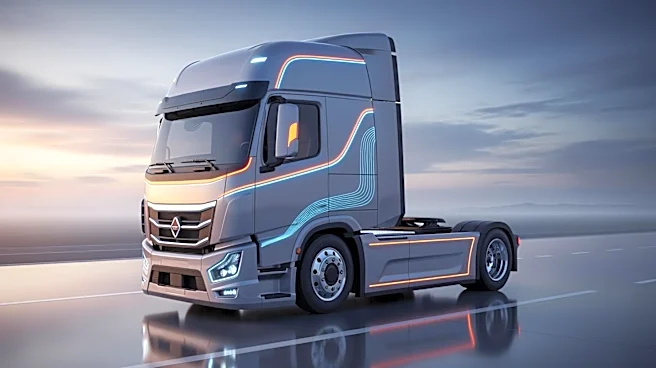
Torc Robotics is making significant strides in the development of autonomous trucking, aiming to establish it as a core component of the logistics ecosystem. Founded in 2005, the company has been at the forefront of developing Level 4 autonomous driving
systems for commercial vehicles. Torc is currently focused on deploying autonomous freight transport using the Freightliner Cascadia platform, in partnership with Daimler Truck. The company has expanded its testing operations across the U.S., including public-road deployments in Texas, Virginia, and Michigan. These efforts are part of a broader strategy to integrate autonomous trucks into existing logistics networks, offering potential cost savings and increased efficiency.
Why It's Important?
The advancement of autonomous trucking represents a significant shift in the logistics industry, promising to enhance efficiency and reduce operational costs. By eliminating human-related inefficiencies such as rest breaks and sick time, autonomous trucks can offer a lower total cost of ownership. This development is particularly important as the industry faces challenges like driver shortages and rising operational costs. The successful integration of autonomous trucks could lead to a more reliable and predictable logistics network, benefiting businesses and consumers alike. Additionally, the technology's potential to reduce fuel consumption and tire wear aligns with broader sustainability goals.
What's Next?
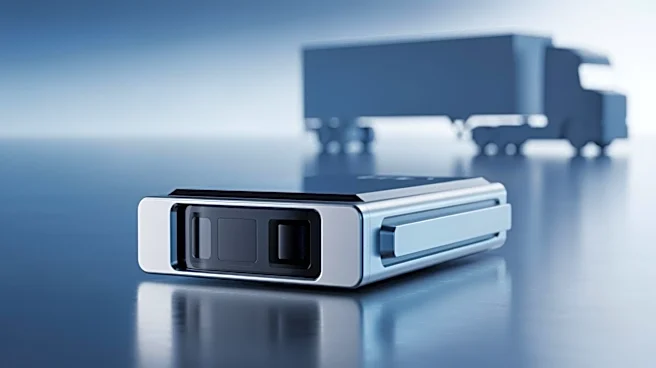
As Torc Robotics continues to refine its autonomous trucking technology, the focus will be on scaling operations and integrating these systems into existing logistics frameworks. This will involve addressing operational challenges such as routing, fleet management, and maintenance. The company is also working closely with partners through its Torc Autonomous Advisory Council to ensure successful productization and customer integration. In the coming years, autonomous trucks are expected to operate routinely on highways across the U.S., with a significant portion of freight movement potentially handled autonomously. Continued advancements in AI and hardware will be crucial to achieving these goals.