






What's Happening?
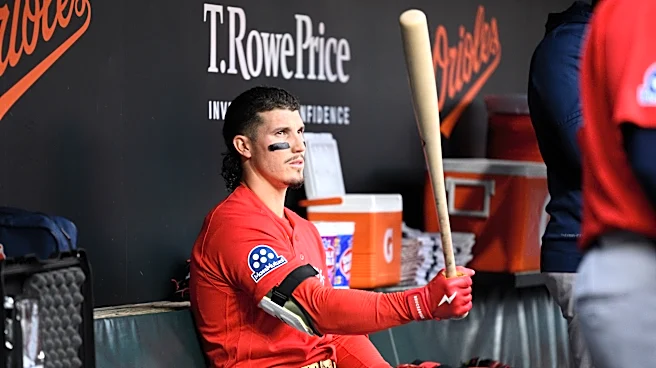
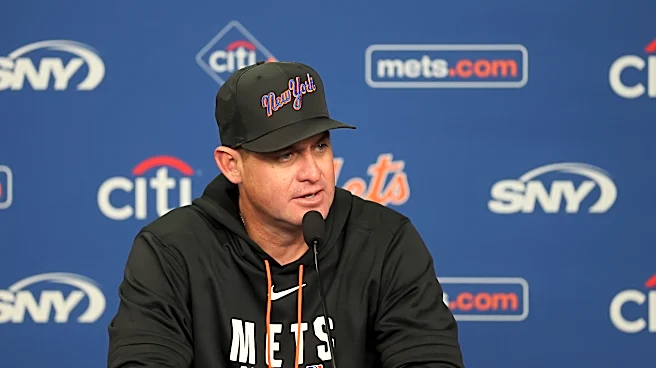
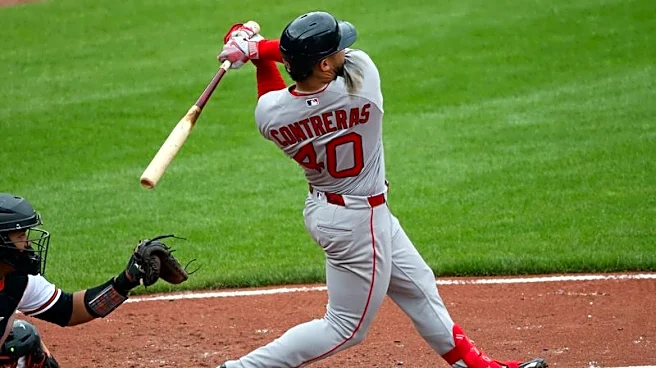
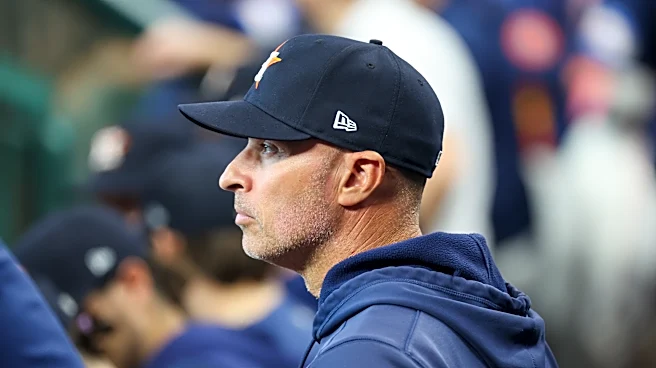
As the MLB season progresses, the New York Mets, Philadelphia Phillies, Boston Red Sox, and Houston Astros find themselves at the bottom of the league standings. Despite having some of the largest payrolls in the league, these teams are underperforming.
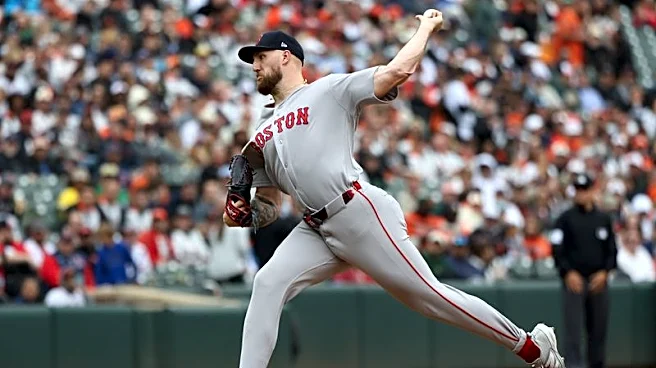
The Mets and Phillies, in particular, are tied for the worst record, despite having the second and fourth-largest payrolls, respectively. The Red Sox and Astros also have significant payrolls, ranking sixth and eleventh. This situation highlights the challenges of relying heavily on financial investments to secure success in sports. The Red Sox have recently shown signs of improvement with a three-game winning streak, but the overall performance of these teams suggests that high spending does not guarantee success.
Why It's Important?
The struggles of these high-payroll teams underscore a critical lesson in sports management: financial investment alone does not ensure success. This situation is significant for team owners and managers who may reconsider their strategies for building competitive teams. The performance of these teams also impacts their fan bases and local economies, as successful teams typically generate more revenue through ticket sales, merchandise, and local business engagement. The current scenario may prompt a reevaluation of team-building strategies, emphasizing the importance of scouting, player development, and team chemistry over merely acquiring high-priced talent.
What's Next?
As the season continues, these teams will need to assess their strategies and make necessary adjustments to improve their standings. This may involve changes in management, player trades, or shifts in team dynamics. The performance of these teams will be closely watched by fans and analysts, as they attempt to turn their seasons around. The outcomes of these adjustments could influence future team-building strategies across the league, potentially leading to a more balanced approach between financial investment and player development.