





What's Happening?
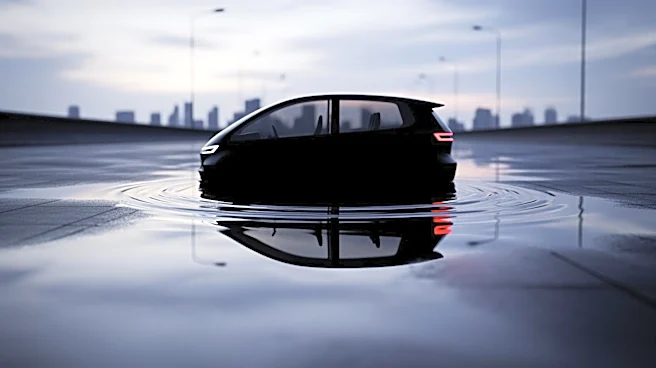
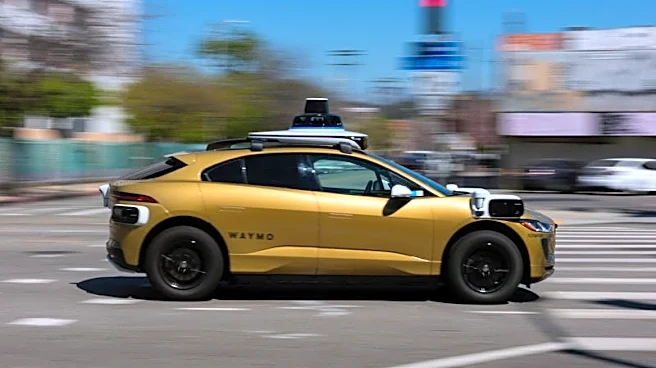
Waymo, the autonomous vehicle company, has temporarily suspended its robotaxi services in several U.S. cities due to challenges posed by extreme weather conditions. The company, which operates in eleven U.S. cities, faced significant issues when one of
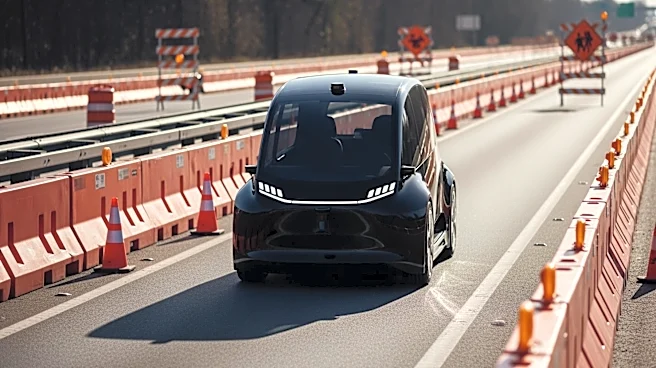
its vehicles became stuck in a flooded street in Atlanta, Georgia. This incident led to the suspension of services in Atlanta and three Texas cities: Dallas, Houston, and San Antonio. The company had previously attempted to address these issues with a software update aimed at improving the AI's ability to handle flooded streets. However, the recent incident in Atlanta occurred after this update, prompting a precautionary halt in operations. Additionally, Waymo has paused motorway rides in cities like San Francisco, Los Angeles, Phoenix, and Miami to enhance performance in construction zones.
Why It's Important?
The suspension of Waymo's services highlights the ongoing challenges faced by autonomous vehicle technology, particularly in adapting to unpredictable weather conditions. This development is significant as it underscores the limitations of current AI systems in handling real-world scenarios, which could impact public confidence in autonomous vehicles. The temporary halt in operations may also affect Waymo's expansion plans and its ability to compete in the growing autonomous vehicle market. Stakeholders, including investors and city planners, may need to reassess the readiness of such technologies for widespread deployment, especially in areas prone to severe weather.
What's Next?
Waymo plans to incorporate recent technical insights into its software to address these challenges and expects to resume services soon. The company is likely to focus on improving its AI systems to better handle extreme weather and construction zones. This situation may prompt further testing and development to ensure the reliability and safety of autonomous vehicles. Additionally, other companies in the autonomous vehicle industry may take note of Waymo's experiences and adjust their strategies accordingly to avoid similar setbacks.