



What's Happening?
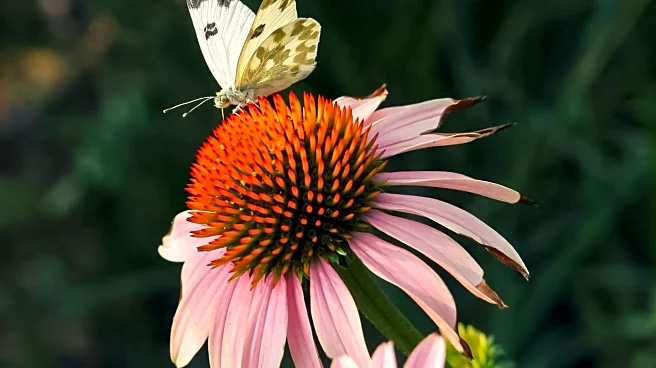
In the Lehigh Valley, native plant catalogs are being used to educate gardeners on the importance of pollinator-friendly gardening. These catalogs provide detailed information about various native plants, including their role in supporting local wildlife such as bees, hummingbirds, and butterflies. For example, the penstemon, a plant native to the Americas, is highlighted for its nectar-rich flowers that attract pollinators. Additionally, native grasses like bluestems and switchgrass are emphasized for their ecological importance, having been foundational to the prairies that once dominated the region. The catalogs also introduce gardeners to lesser-known plants like the figwort, known for its high nectar production, and exotic plants such as a white
fern from Japan. These resources aim to enhance biodiversity and support the local ecosystem by encouraging the planting of native species.
Why It's Important?
The promotion of native plants through these catalogs is crucial for maintaining and enhancing biodiversity in the Lehigh Valley. By educating gardeners on the benefits of native species, these catalogs help ensure that local pollinators have access to the resources they need to thrive. This is particularly important as pollinators play a vital role in the ecosystem, contributing to the reproduction of many plant species and the production of food crops. Furthermore, the use of native plants can reduce the need for chemical fertilizers and pesticides, leading to more sustainable gardening practices. As urbanization continues to encroach on natural habitats, initiatives like these are essential for preserving the ecological balance and supporting wildlife.
What's Next?
As awareness of the benefits of native plants grows, it is likely that more gardeners in the Lehigh Valley and beyond will incorporate these species into their landscapes. This could lead to increased demand for native plant catalogs and resources, prompting nurseries and garden centers to expand their offerings. Additionally, community initiatives and educational programs may emerge to further promote pollinator-friendly gardening practices. Stakeholders such as environmental organizations and local governments might also get involved, supporting policies and programs that encourage the use of native plants in public and private spaces.
Beyond the Headlines
The shift towards native plant gardening has broader implications for environmental conservation and climate resilience. By fostering diverse plant communities, these efforts can help mitigate the effects of climate change, such as extreme weather events and habitat loss. Moreover, the cultural aspect of gardening with native plants can strengthen community ties and foster a deeper connection to the local environment. As more people become engaged in these practices, there is potential for a cultural shift towards more sustainable and ecologically conscious lifestyles.