

What's Happening?
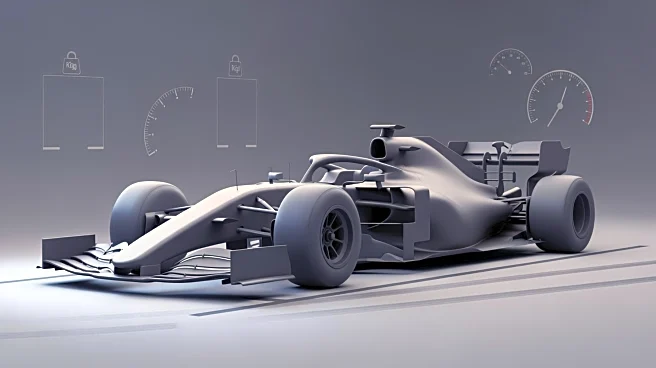
Max Verstappen, a prominent figure in Formula 1, has voiced his concerns regarding the new technical regulations set to be implemented in the 2026 season. These regulations represent a significant overhaul, particularly affecting the chassis and power
units, with a notable shift towards increased reliance on electrical energy. Verstappen has described the new rules as 'anti-racing' and likened them to 'Formula E on steroids,' expressing skepticism about their impact on the sport. Despite calls from fellow driver Carlos Sainz for the FIA to remain open to feedback and potential changes, Verstappen believes it is too late for adjustments, given the substantial investment and planning already committed to these regulations, which are expected to remain in place until at least 2030.
Why It's Important?
The introduction of these new regulations is poised to reshape the landscape of Formula 1, potentially altering the dynamics of racing and the strategies employed by teams and drivers. The shift towards a 50:50 split between electrical energy and internal combustion engines could lead to more complex energy management during races, affecting the traditional racing techniques. This change could have significant implications for the sport's appeal to fans, as it may lead to more chaotic races with frequent position changes. The financial and strategic investments made by teams in adapting to these regulations underscore the high stakes involved, with potential impacts on team performance and the competitive balance within the sport.
What's Next?
As the 2026 season approaches, teams and drivers will need to adapt to the new regulations, with the first races serving as a critical test of their impact. The FIA and Formula 1 stakeholders may need to monitor the initial races closely to assess the regulations' effectiveness and their reception by fans and participants. Should significant issues arise, there may be calls for further adjustments, although the feasibility of such changes remains uncertain given the current commitment to the regulations. The ongoing dialogue between drivers, teams, and governing bodies will be crucial in navigating this transition period.