








What's Happening?
The US economy experienced a 2% growth rate in the first quarter of 2026, a significant rebound from the previous quarter's 0.5% growth. This growth was driven by increased government spending and domestic investment, particularly in artificial intelligence
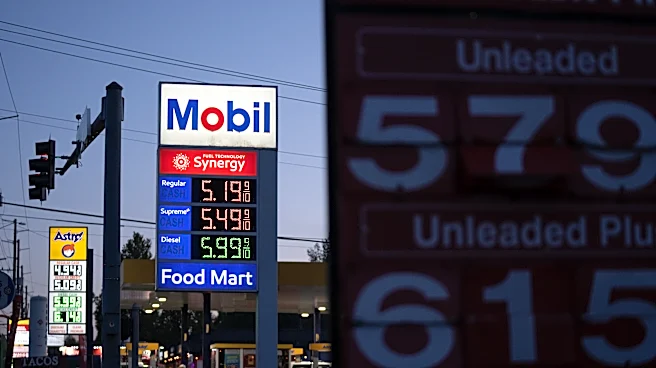
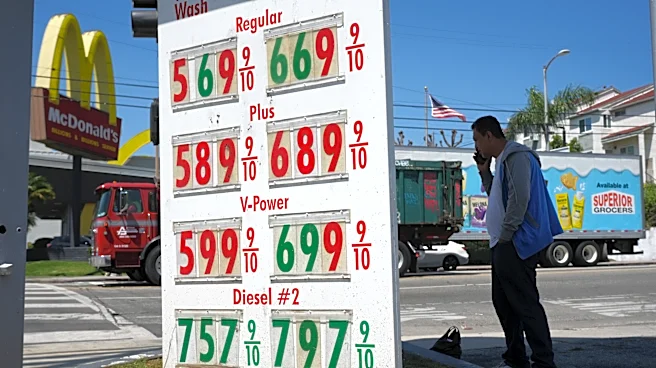
and infrastructure. However, consumer spending has slowed due to the ongoing war with Iran, which has affected energy prices and consumer sentiment. Inflation expectations have risen, with a notable increase from 3.8% in March to 4.7% in April. The US Defense Secretary, Pete Hegseth, reported to Congress that the war has cost the US government at least $25 billion, with additional military spending requests pending.
Why It's Important?
The economic growth indicates resilience in the face of geopolitical tensions and domestic challenges. The increase in government and AI-related investments suggests a strategic focus on future-proofing the economy. However, the slowing consumer spending and rising inflation could pose risks to sustained economic stability. The war with Iran has exacerbated energy price volatility, impacting consumer purchasing power and potentially leading to broader economic repercussions. The Federal Reserve's decision to maintain interest rates reflects a cautious approach to balancing economic growth with inflation control.
What's Next?
The ongoing conflict with Iran and its impact on energy prices will likely continue to influence economic conditions. The Federal Reserve may face pressure to adjust interest rates if inflation persists. Additionally, the government's military spending and strategic investments in AI could shape future economic policies. Stakeholders, including businesses and policymakers, will need to navigate these challenges to sustain economic growth and stability.