







What's Happening?
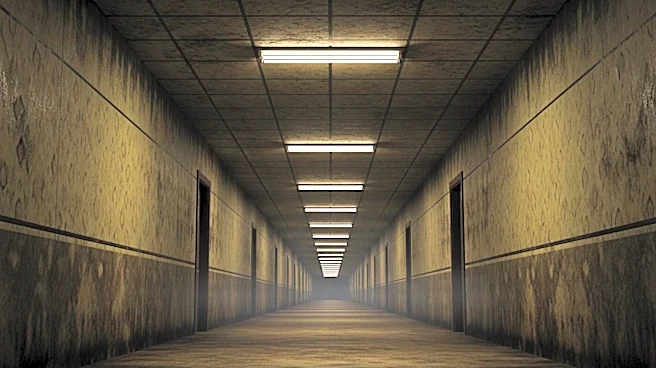
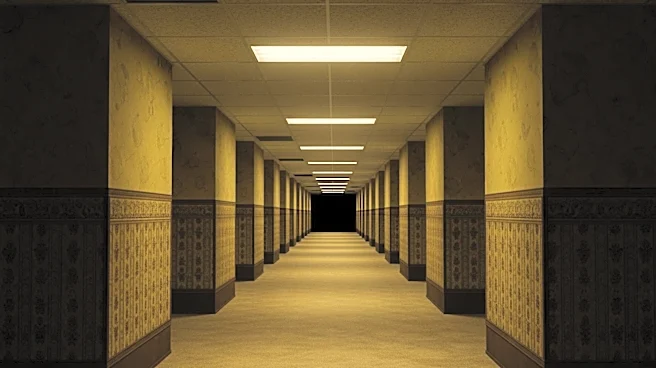
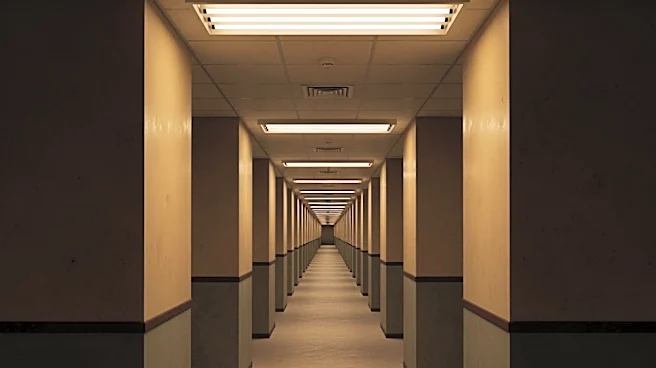
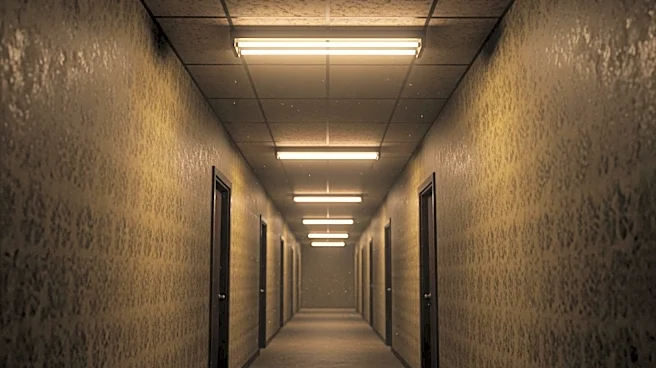
A24's film adaptation of 'The Backrooms,' directed by Kane Parsons, has successfully translated the popular internet creepypasta into a feature-length movie. The film, which draws from Parsons' web series, maintains the eerie and mysterious essence of the original
Backrooms concept. It explores themes of memory loss and the horror of forgetting familiar aspects of life. The narrative follows characters like Clark and Dr. Mary Kline as they navigate the unsettling environment of the Backrooms, with the space itself serving as the central character. The film retains the enigmatic nature of the Backrooms, leaving many elements unexplained, which is a hallmark of the original internet lore.
Why It's Important?
The adaptation of 'The Backrooms' into a film by A24 highlights the growing trend of internet-based stories and creepypastas being recognized as viable sources for mainstream media. This move not only validates the cultural impact of such stories but also opens up new avenues for storytelling in the film industry. By staying true to the original material, the film appeals to both long-time fans and new audiences, potentially expanding the reach of internet folklore. The success of this adaptation could encourage more filmmakers to explore similar projects, thereby influencing the types of narratives that gain prominence in popular culture.
What's Next?
Following the film's release, there is potential for further exploration of the Backrooms universe, either through sequels or additional media formats. The film's open-ended nature and unresolved plot points provide ample material for future storytelling. Additionally, the film's reception could inspire other creators to adapt similar internet-based stories, leading to a broader acceptance and integration of digital folklore into mainstream entertainment. The film's impact on the horror genre and its reception by audiences and critics will likely influence future projects in this space.
Beyond the Headlines
The adaptation of 'The Backrooms' raises interesting questions about the nature of storytelling in the digital age. It exemplifies how collaborative and decentralized narratives can gain significant cultural traction, challenging traditional notions of authorship and intellectual property. The film's success may prompt discussions about the role of community-driven content in shaping modern media landscapes. Furthermore, it highlights the potential for digital platforms to serve as incubators for innovative storytelling, where creators can experiment with new formats and ideas before transitioning to more traditional media.