



What's Happening?
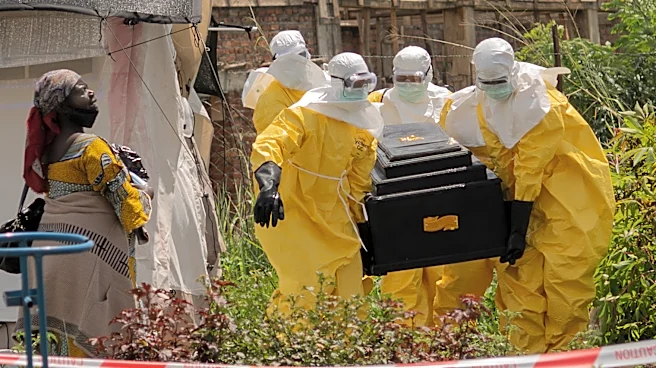
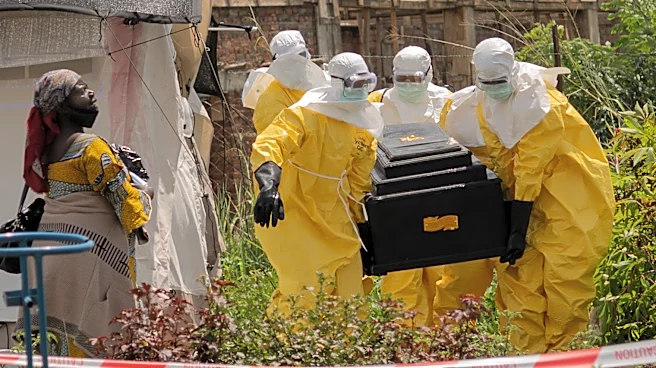
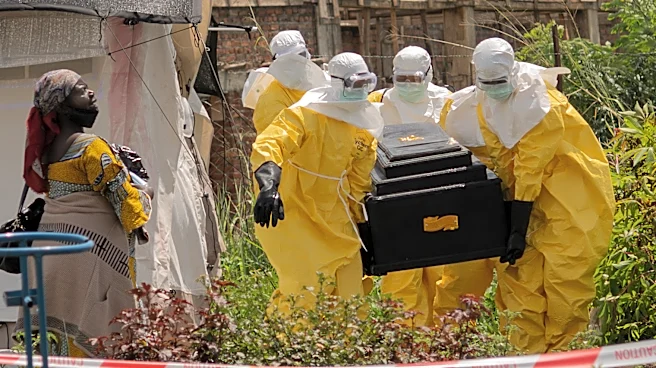
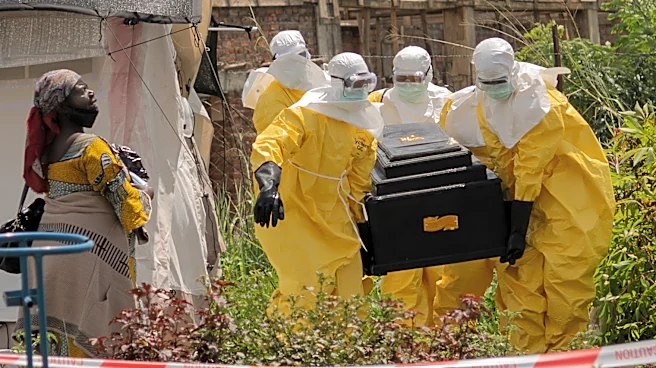
The Ebola outbreak in the Democratic Republic of Congo is causing significant concern ahead of the 2026 World Cup. The Congolese national team has canceled its training camp in Kinshasa due to the virus, which has been declared an international public health
emergency by the World Health Organization. The U.S. has imposed entry restrictions, requiring the team to quarantine for 21 days in Belgium before traveling to the United States. The outbreak has resulted in over 139 deaths in Congo, with more than 600 suspected cases. The virus strain, Bundibugyo, currently has no approved vaccine, raising fears about its potential impact on the tournament.
Why It's Important?
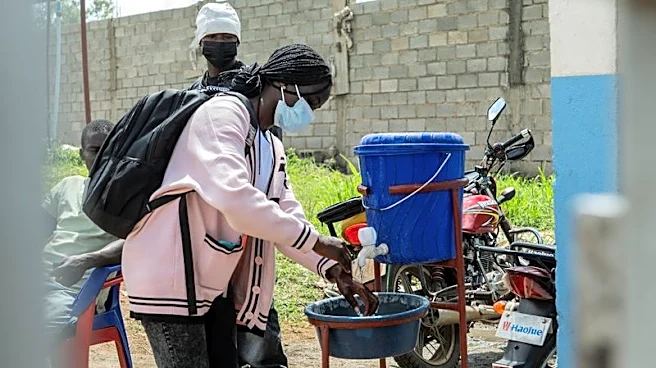
The Ebola outbreak poses a significant threat to the 2026 World Cup, potentially affecting the participation of teams and fans. The situation highlights the challenges of hosting international events during health crises and the need for robust public health measures. The outbreak could disrupt preparations and lead to financial losses for organizers and host countries. It also underscores the importance of international cooperation in managing health emergencies and ensuring the safety of participants and spectators.
What's Next?
FIFA and health authorities will continue to monitor the situation closely, with contingency plans in place to address potential disruptions. The Congolese team will proceed with its training in Europe, while the U.S. maintains strict entry requirements. The development of a vaccine for the Bundibugyo strain is a priority, but it may take months to complete. The outbreak's progression will determine the extent of its impact on the World Cup and international travel.