






What's Happening?
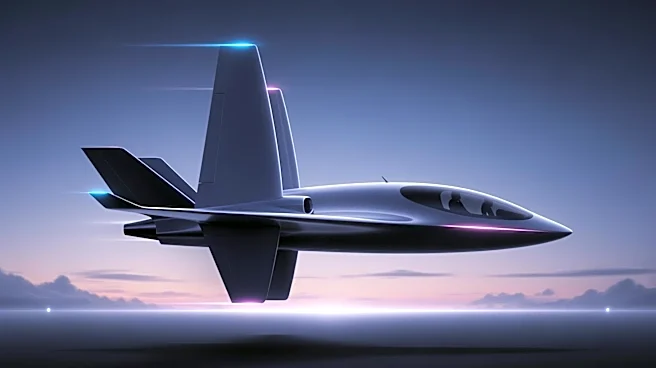
Vertical Aerospace, a global aerospace and technology company, has successfully completed a historic two-way piloted transition flight with its electric Vertical Take-Off and Landing (eVTOL) aircraft, Valo. This achievement marks the first time a full-scale
tiltrotor eVTOL has completed such a transition under civil aviation Design Organisation Approval regulatory oversight. The flight, conducted by Chief Test Pilot Simon Davies, involved transitioning from vertical take-off to wingborne cruise and back to vertical landing. This milestone is crucial for the development of electric air taxis, enabling them to operate efficiently in urban environments. Vertical Aerospace is now focusing on achieving regulatory certification by 2028, with plans to enter service shortly thereafter. The company is working closely with the UK Civil Aviation Authority and the European Union Aviation Safety Agency to ensure compliance with safety standards.
Why It's Important?
This development is significant for the future of urban air mobility, as it demonstrates the viability of eVTOL technology for commercial use. The successful transition flight is a critical step towards the commercialization of electric air taxis, which could revolutionize urban transportation by reducing congestion and emissions. Vertical Aerospace's progress also reinforces the UK's leadership in next-generation aerospace, supporting high-skill jobs and export growth. The company's partnerships with major airlines and aerospace companies highlight the growing interest and investment in advanced air mobility solutions. As the industry moves towards certification and commercialization, stakeholders including airlines, regulators, and urban planners will need to collaborate to integrate these new technologies into existing transportation systems.
What's Next?
Vertical Aerospace plans to continue its certification testing, including critical design reviews and the production of pre-production Valo aircraft for compliance testing. The company aims to achieve certification by 2028, with entry into service expected shortly thereafter. Public flight demonstrations and further development of the hybrid-electric variant are also planned. The certification approach is designed to be transferable to other regulators, supporting global deployment with partners such as American Airlines and Japan Airlines. As the company progresses, it will focus on expanding its manufacturing capabilities and supply chain to support the anticipated demand for eVTOL aircraft.