







What's Happening?
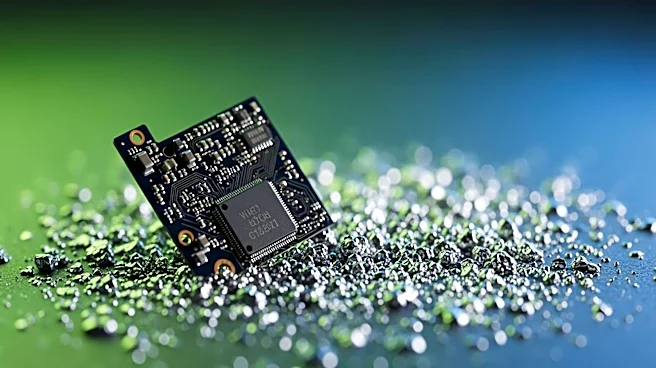
The University of Edinburgh has granted Lithium Universe the rights to a novel process for recovering gold and copper from electronic waste (e-waste). This technology, known as Gold Copper Diamide Extraction (GCDE), was developed by professors Jason Love
and Carole Morrison from the School of Chemistry, with support from Edinburgh Innovations. The GCDE process uses organic compounds to selectively and safely extract metals from discarded electronic materials, offering an environmentally friendly alternative to traditional smelting methods. Conventional e-waste processing often involves high-temperature smelting or harsh chemicals, which are energy-intensive and environmentally damaging. In contrast, the GCDE technique employs low-temperature hydrometallurgical processes and reusable organic ligands, avoiding the use of toxic substances like cyanide and mercury. Lithium Universe plans to incorporate this technology into its Precious Metals Recycling Division, enhancing its existing methods for recovering valuable metals from e-waste.
Why It's Important?
The licensing of the GCDE technology represents a significant advancement in sustainable e-waste management. As e-waste is one of the fastest-growing hazardous waste categories globally, with projections reaching 93.5 million tonnes by 2030, the need for environmentally responsible recycling methods is critical. The GCDE process not only reduces the environmental impact of metal extraction but also offers economic benefits by recovering high-value metals like gold and copper. With gold in e-waste valued at over $46,000 per tonne and copper at approximately $2,000, this technology could significantly enhance the profitability of e-waste recycling. By reducing reliance on energy-intensive and polluting methods, the GCDE process aligns with global sustainability goals and could set a new standard for the industry.
What's Next?
Lithium Universe is set to introduce and globally sub-license the GCDE process as part of its expansion in the precious metals recycling sector. This move could lead to broader adoption of the technology, potentially transforming e-waste recycling practices worldwide. As the company integrates this process into its operations, it may also explore partnerships with other firms and governments to promote sustainable e-waste management. The success of this initiative could encourage further research and development in green technologies for waste management, driving innovation in the sector.