







What's Happening?
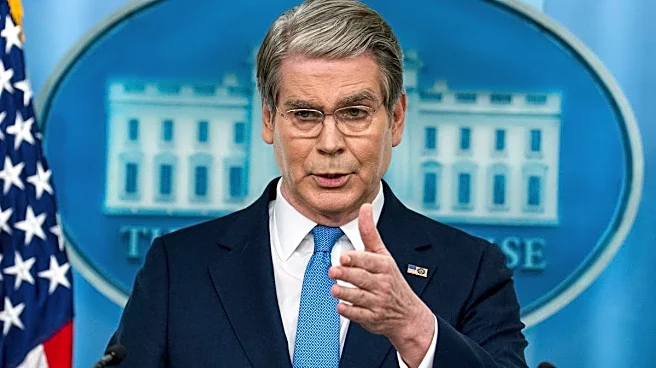
Scott Pelley, a veteran correspondent for '60 Minutes,' has publicly criticized CBS News leadership, particularly targeting Editor-in-chief Bari Weiss, for allegedly undermining the integrity of the program. During a staff meeting, Pelley accused Weiss of 'murdering'
the show, which has been a staple of investigative journalism. The criticism comes in the wake of significant changes at the network, including the appointment of Nick Bilton as the new executive producer and the firing of correspondents Sharyn Alfonsi and Cecilia Vega. These moves have been part of a broader strategy by CBS News to shift the program's political stance, reportedly to align more closely with the Trump administration. The changes have sparked internal conflict, with Pelley and other staff members expressing concern over the future direction of '60 Minutes.'
Why It's Important?
The internal conflict at CBS News highlights the ongoing tensions within media organizations as they navigate political pressures and changing audience expectations. '60 Minutes' has long been regarded as a leading platform for investigative journalism, and any perceived shift in its editorial stance could impact its credibility and viewership. The controversy also underscores the challenges faced by media companies in maintaining journalistic integrity while responding to external political and economic pressures. The outcome of this conflict could influence how other news organizations balance these competing demands, potentially affecting the broader media landscape.
What's Next?
As CBS News continues to implement changes, the network may face further scrutiny from both its staff and the public. The response from viewers and industry stakeholders will be crucial in determining the future of '60 Minutes.' If the program's editorial direction shifts significantly, it could lead to changes in its audience demographics and influence. Additionally, the network's leadership will need to address internal dissent to maintain morale and ensure the continued production of high-quality journalism. The situation may also prompt discussions about the role of media in political discourse and the importance of maintaining editorial independence.