

What's Happening?
Southwest Airlines has recently implemented significant changes to its service offerings, moving away from its traditional model of free checked bags, open seating, and flexible ticket policies. These changes include the introduction of assigned seating, new
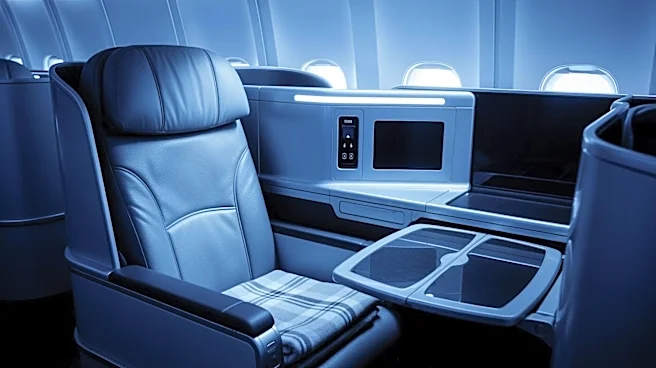
fees, and tiered perks aimed at increasing revenue post-pandemic. The airline's A-List status, part of its loyalty program, now offers benefits such as better boarding positions, free checked bags, and the ability to reserve premium seats at no extra cost. These changes have been met with mixed reactions from loyal customers who appreciated the simplicity and cost-effectiveness of Southwest's previous policies.
Why It's Important?
The changes at Southwest Airlines reflect a broader trend in the airline industry towards monetizing services that were previously complimentary. This shift is significant as it impacts customer loyalty and satisfaction, particularly among frequent flyers who valued Southwest's straightforward approach. The introduction of tiered perks and fees could lead to increased revenue for the airline, helping it recover from financial challenges faced during the pandemic. However, it may also alienate long-time customers who preferred the old model, potentially affecting Southwest's market position and customer base.
What's Next?
As Southwest Airlines continues to adapt its business model, it will be crucial to monitor customer feedback and satisfaction levels. The airline may need to further refine its loyalty program and service offerings to balance revenue generation with customer retention. Competitors may also respond by adjusting their own loyalty programs and pricing strategies to attract disenchanted Southwest customers. The airline industry as a whole may see increased competition and innovation in loyalty programs as companies strive to differentiate themselves in a post-pandemic market.