









What's Happening?
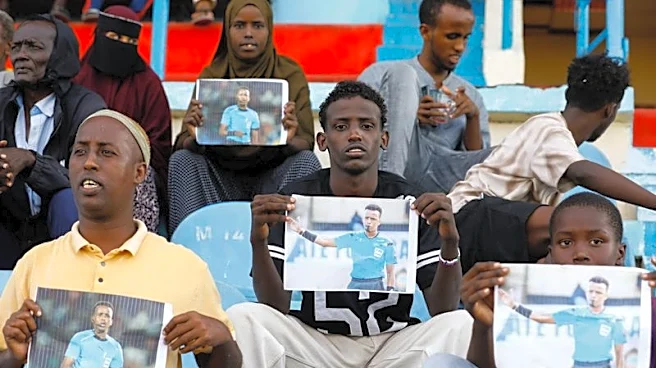
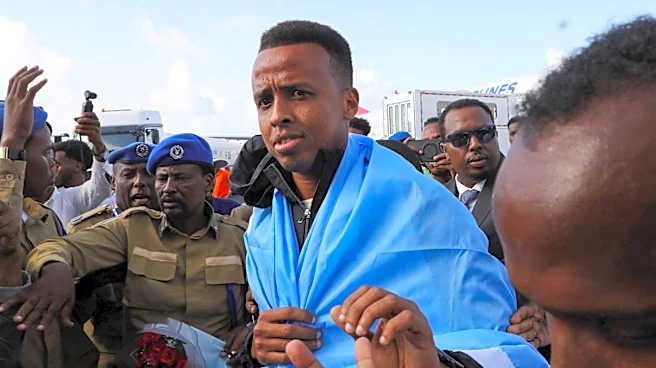
Omar Abdulkadir Artan, a Somali referee, was denied entry into the United States for the 2026 FIFA World Cup due to alleged links to suspected terror organizations, which labeled him a national security threat. Despite having the correct visa, Artan's
entry was blocked, leading to criticism of the Trump administration and FIFA for not fulfilling inclusivity promises. Artan, recognized as Africa's referee of the year in 2025, has been appointed by UEFA to officiate the Super Cup match between Paris Saint-Germain and Aston Villa on August 12. UEFA highlighted Artan's achievements and commitment to unity, equality, and non-discrimination in their decision.
Why It's Important?
The incident underscores ongoing tensions and challenges related to international travel and security, particularly in the context of major global events like the World Cup. Artan's case highlights the potential for diplomatic and reputational impacts on the U.S., as well as on FIFA, which faces scrutiny over its inclusivity efforts. The decision by UEFA to appoint Artan to a prestigious match reflects a stance against discrimination and supports the integrity of sports officiating. This move may influence future policies and decisions regarding international sports events and the treatment of officials and athletes.
What's Next?
Artan's appointment to the UEFA Super Cup could set a precedent for how sports organizations handle similar situations in the future. It may prompt FIFA and other governing bodies to reassess their policies on inclusivity and security. The incident could also lead to diplomatic discussions between the U.S. and other nations regarding visa policies for international events. Stakeholders in the sports community may advocate for clearer guidelines and protections for officials and athletes facing similar challenges.
Beyond the Headlines
This situation raises broader questions about the balance between national security and inclusivity in international sports. It highlights the potential for sports to serve as a platform for promoting unity and challenging discriminatory practices. The incident may also influence public perception of the U.S. and its policies, potentially affecting its role as a host for future international events. Additionally, it underscores the importance of transparency and accountability in decision-making processes related to security and international participation.