






What's Happening?
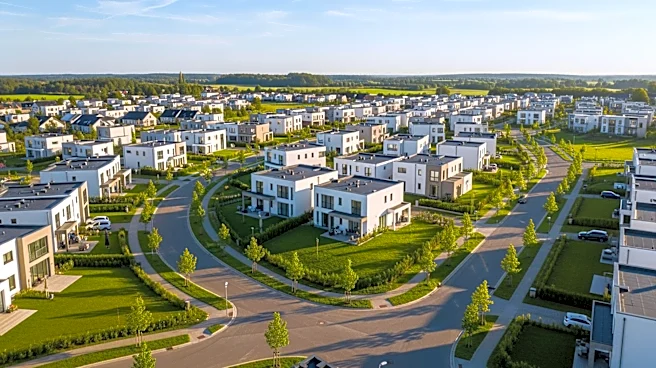
A new analysis by Realtor.com reveals that new construction homes, despite higher initial costs, can be more economical over time. The report indicates that buyers of new homes save an average of $25,335 over ten years compared to those purchasing older
homes, primarily due to lower utility bills and fewer major repairs. The savings are particularly pronounced in colder climates like New England, where energy efficiency plays a significant role. The report also highlights that in some metropolitan areas, the savings from new construction can completely offset the price premium over existing homes.
Why It's Important?
This analysis challenges the traditional view that existing homes are more affordable due to their lower purchase prices. By focusing on the total cost of ownership, including ongoing expenses, new construction homes may offer a better financial deal. As energy prices rise, the efficiency of new homes becomes increasingly valuable, potentially shifting buyer preferences towards new constructions. This could lead to changes in market dynamics, with more buyers considering the long-term financial benefits of new homes over the upfront cost savings of older properties.
What's Next?
With energy prices expected to continue rising, the appeal of new construction homes is likely to grow. Buyers may increasingly prioritize energy efficiency and long-term savings, influencing their purchasing decisions. Builders might emphasize these benefits in their marketing strategies, and policymakers could consider implementing stricter building codes to enhance energy efficiency in new constructions. This trend could lead to a greater focus on sustainable building practices and energy-efficient home designs.