

What's Happening?
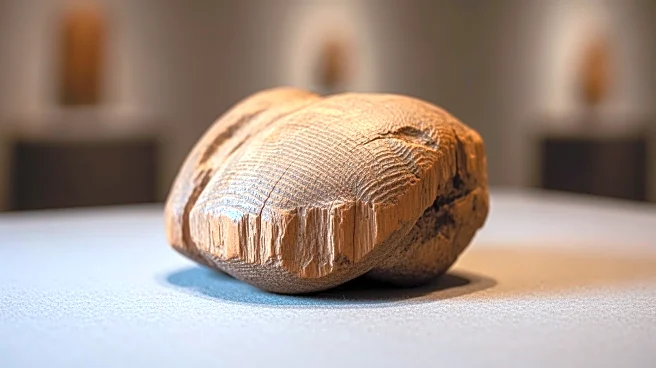
The Brooklyn Museum in New York is set to restore a sculpture by Paul Gauguin, titled 'Te Fare Amu', to its original state by removing overpaint that was applied in the 1950s. The sculpture, which features a nude figure, was altered by American collector
Henry Pearlman to avoid seizure by U.S. customs due to its explicit nature. The overpaint concealed the red-colored genitals of the figure, which were originally painted by Gauguin. The sculpture is part of a donation from the Pearlman Collection and is currently on display at the Los Angeles County Museum of Art (LACMA) before it moves to Brooklyn. The museum's conservators plan to examine the piece and consider removing the overpaint using modern conservation techniques.
Why It's Important?
This restoration effort is significant as it aims to preserve the integrity of Gauguin's original work, which has been subject to historical censorship. The decision to remove the overpaint reflects a broader trend in art conservation to respect and restore artists' original intentions. This move could influence how museums handle similar cases of altered artworks, potentially leading to a reevaluation of past conservation practices. For the Brooklyn Museum, this restoration enhances its collection and offers visitors a more authentic view of Gauguin's controversial yet influential work. The restoration also highlights ongoing discussions about the portrayal of nudity and cultural sensitivity in art.
What's Next?
Following its display at LACMA, 'Te Fare Amu' will be transferred to the Brooklyn Museum, where conservators will assess the feasibility of removing the overpaint. The museum plans to use the latest conservation techniques to ensure the original paint is preserved. This process will likely involve collaboration with art historians and conservation experts to determine the best approach. The outcome of this restoration could set a precedent for future conservation projects involving similar artworks. Additionally, the museum may engage the public through exhibitions and discussions about the restoration process and its implications for art history.