


What's Happening?
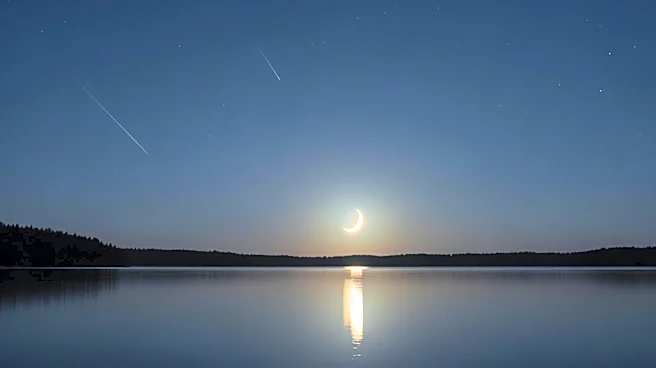
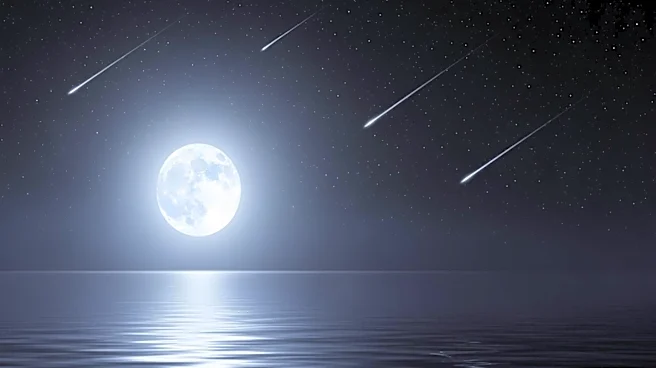
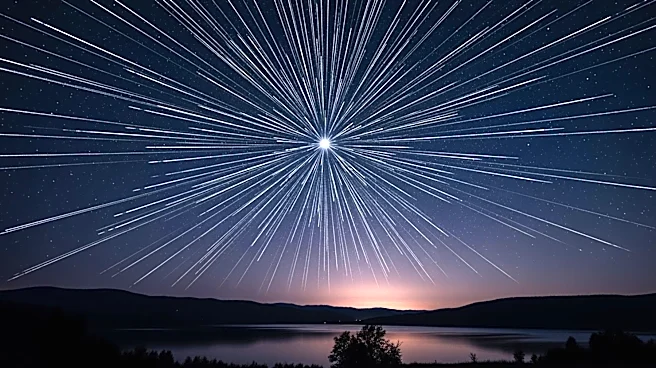
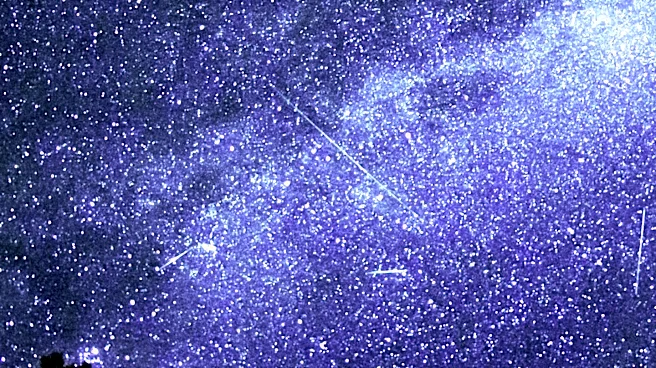
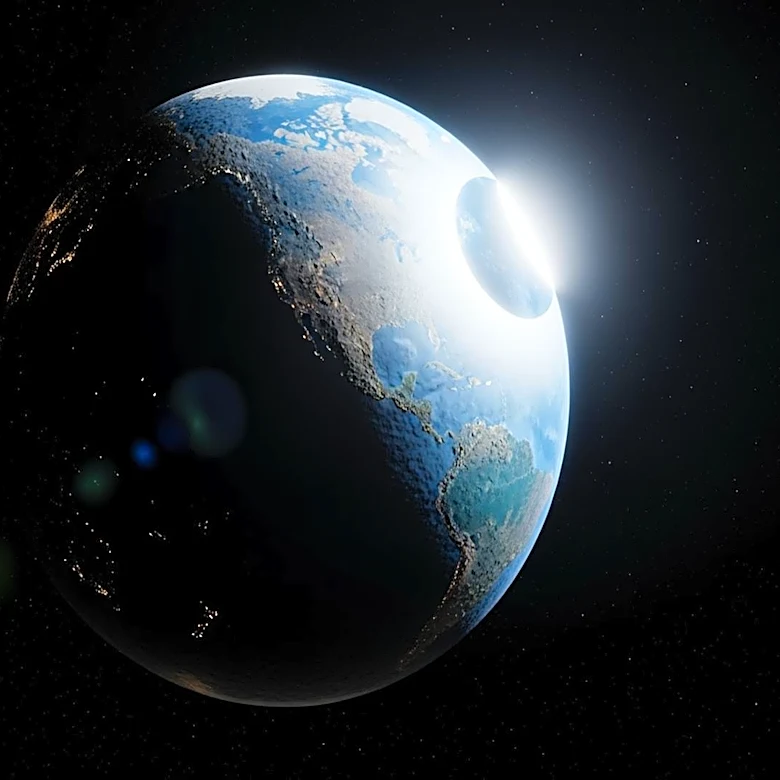
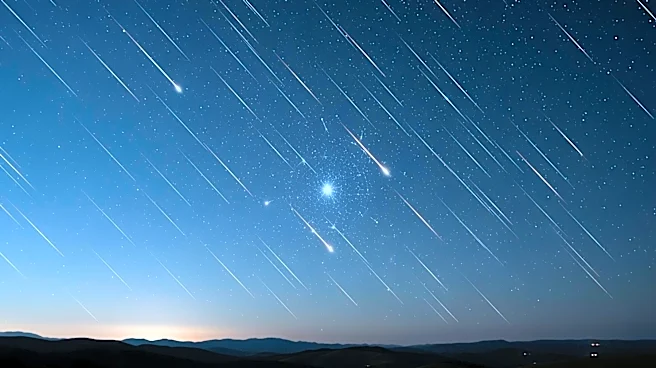
The Eta Aquariid meteor shower, associated with Halley's Comet, is set to peak between May 4 and 6, 2026. This annual event occurs as Earth passes through the debris left by the comet. The best viewing time is around 4 am local time on May 5, when the radiant
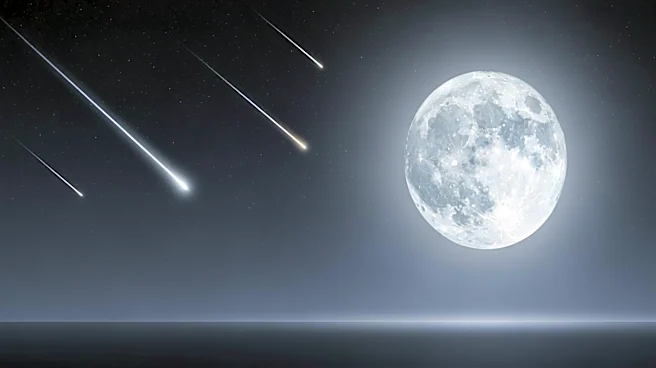
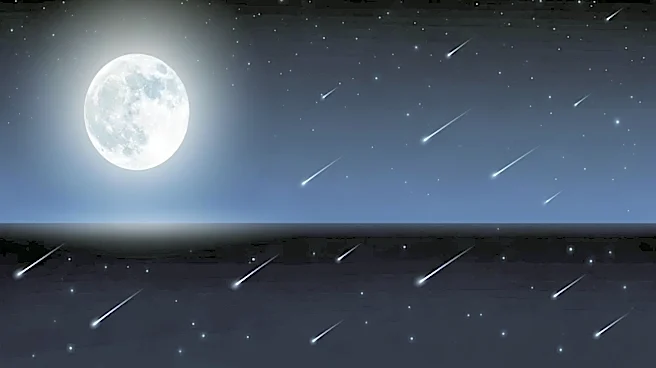
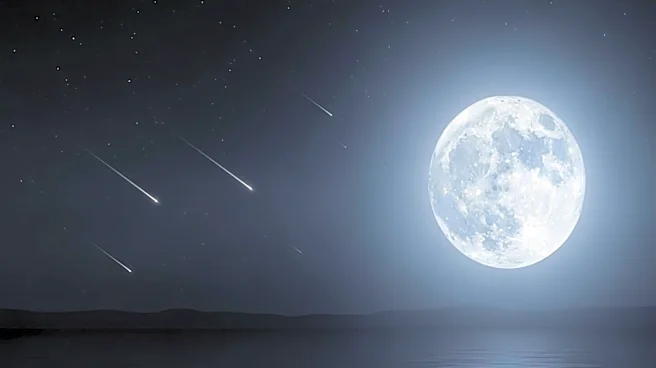
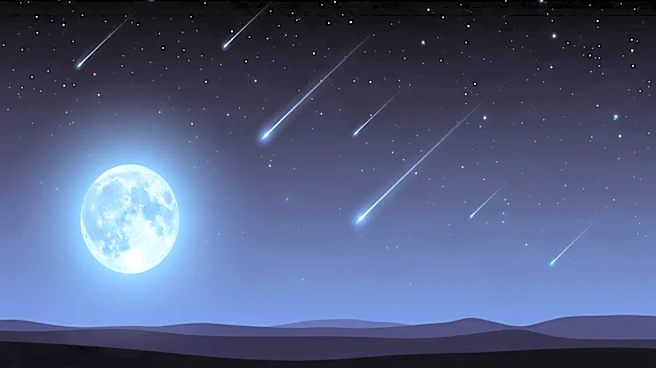
is highest in the sky. Observers in the Southern Hemisphere will have the best view, with up to 60 meteors per hour, while those in the Northern Hemisphere can expect around 10 per hour. The presence of a bright waning gibbous moon will make it challenging to see fainter meteors, but the brightest ones should still be visible.
Why It's Important?
Meteor showers like the Eta Aquariids provide a natural spectacle that can captivate the public and promote interest in astronomy. They offer educational opportunities for schools and community groups to engage with science and the natural world. The event's connection to Halley's Comet, a famous celestial body, adds historical and scientific significance. Such events can inspire curiosity and learning, potentially influencing educational and career paths in science and technology.
What's Next?
The Eta Aquariid meteor shower will continue to be visible until late May, with decreasing intensity. As the moon wanes, viewing conditions may improve, allowing for better observation of the remaining meteors. Future meteor showers, such as the Perseids in August, will provide additional opportunities for stargazing and public engagement. These events can help sustain public interest in astronomy and support educational initiatives.