


What's Happening?
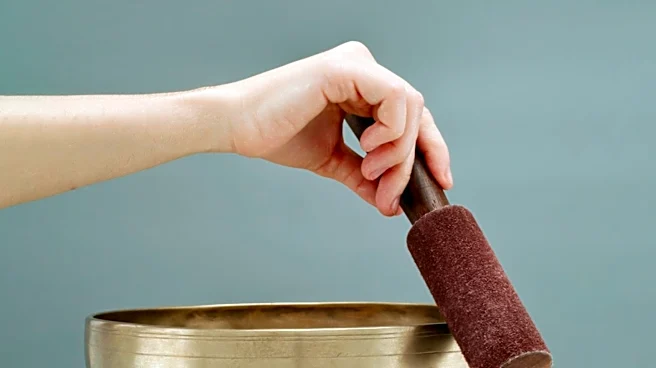
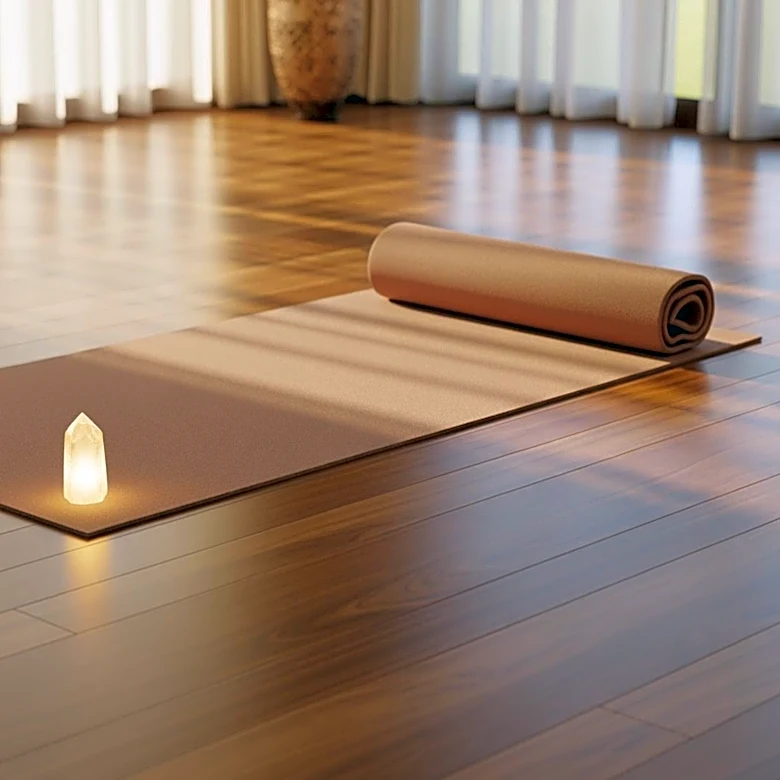
Sound baths, a wellness trend involving participants being 'bathed' in sound, have gained popularity as a method to relax and soothe the nervous system. These sessions often involve lying on yoga mats or floating on pool loungers while practitioners use
instruments like Tibetan singing bowls to create calming sounds. Proponents claim these sound frequencies can penetrate the body and promote healing, reducing symptoms like pain, fatigue, and anxiety. However, experts like Dr. Vince Polito and Dr. Sandra Garrido suggest that while sound baths may affect mood and provide a meditative experience, the benefits are often overstated. Research indicates that the effects of sound on well-being are more about perception and focus rather than specific frequencies. Music therapy, a related field, uses music to improve psychological and physical health, but sound baths lack the regulatory oversight of music therapy.
Why It's Important?
The rise of sound baths reflects a broader trend in wellness where alternative therapies are increasingly sought after for mental and physical health benefits. This trend highlights a growing interest in non-traditional methods of relaxation and stress relief. While sound baths may offer a pleasant experience, the lack of scientific evidence supporting their more extravagant claims raises questions about their efficacy. This situation underscores the importance of critical evaluation of wellness practices and the need for consumers to be informed about the scientific backing of such therapies. The popularity of sound baths also points to a cultural shift towards holistic health practices, which could influence future healthcare approaches and consumer behavior in the wellness industry.