


What's Happening?
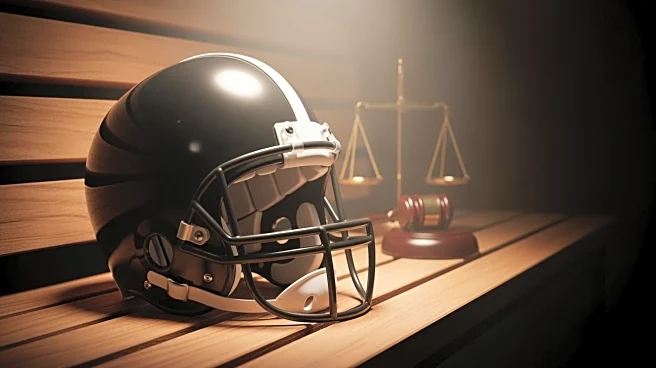
Trinidad Chambliss, the quarterback for the Ole Miss Rebels, has successfully secured his eligibility for the 2026 college football season following a legal battle with the NCAA. Chambliss, a dual-threat quarterback, was initially denied a waiver by the NCAA,
prompting him to take legal action to fight for his right to play. The Mississippi Supreme Court recently ruled in favor of Chambliss, denying the NCAA's appeal and allowing him to participate in the upcoming season. This decision follows a preliminary injunction granted last month, which paved the way for Chambliss to continue his college football career. Chambliss is expected to be a key player for Ole Miss, having thrown for 3,927 yards and 22 touchdowns in the previous season, along with 520 rushing yards and eight scores.
Why It's Important?
The court's decision to grant Trinidad Chambliss eligibility is significant for both the player and the Ole Miss football program. For Chambliss, it means the continuation of his college career and the opportunity to further develop his skills before potentially entering the NFL Draft. For Ole Miss, having Chambliss on the roster strengthens their chances in the upcoming season, as he is a proven performer who contributed significantly to the team's success last year. This case also highlights the ongoing tensions between student-athletes and the NCAA regarding eligibility and the rights of players to challenge decisions that impact their careers. The ruling could set a precedent for future cases where athletes seek legal recourse against NCAA decisions.
What's Next?
With his eligibility secured, Trinidad Chambliss will focus on preparing for the 2026 season, where he is expected to be a standout player for Ole Miss. The team will likely build their offensive strategy around his dual-threat capabilities. Meanwhile, the NCAA may need to reassess its waiver process and consider the implications of this legal defeat. Other student-athletes in similar situations might be encouraged to pursue legal action if they believe their eligibility has been unfairly denied. The outcome of this case could lead to broader discussions about the NCAA's role and the rights of college athletes.