
What's Happening?
Nik Halik, an Australian venture capitalist, has purchased a decommissioned Cold War-era nuclear missile silo near Denver, Colorado, for over $10 million. The silo, once capable of launching nuclear missiles,
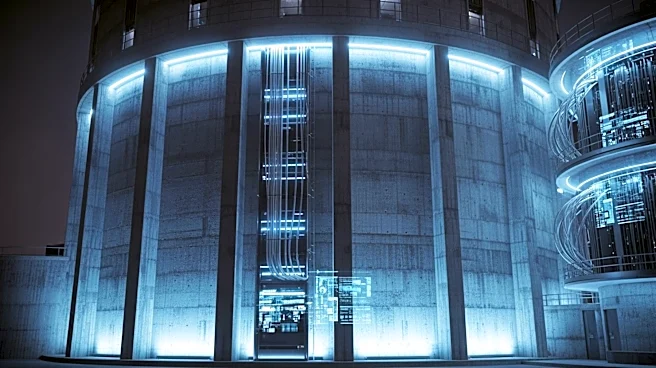
is being transformed into a modern facility to house an AI data center. Halik, known for his adventurous endeavors, sees potential in repurposing such structures for innovative uses. The 200,000-square-foot facility is undergoing renovations to support AI technologies, reflecting Halik's interest in adding value to unique properties.
Why It's Important?
The transformation of a nuclear missile silo into a data center represents a creative approach to repurposing military infrastructure for civilian use. This project highlights the potential for adaptive reuse of decommissioned sites, contributing to technological advancement and economic development. By converting the silo into a data center, Halik is tapping into the growing demand for data processing and storage, driven by the expansion of AI technologies. This initiative may inspire similar projects, promoting sustainable development and innovation in the tech industry.
What's Next?
As the renovation progresses, the data center is expected to become operational, supporting AI applications and potentially attracting tech companies to the area. Halik's project may lead to increased interest in repurposing other decommissioned military sites, fostering innovation and economic growth. The success of this venture could encourage further investments in infrastructure transformation, aligning with trends in sustainable development and technological advancement.
Beyond the Headlines
The project raises questions about the ethical implications of repurposing military sites for civilian use, particularly in the context of AI technologies. It also highlights the cultural shift towards valuing innovative uses of historical structures, reflecting broader trends in sustainability and adaptive reuse. The transformation of the silo may influence public perceptions of military infrastructure, encouraging discussions on its potential for contributing to technological progress.