




What's Happening?
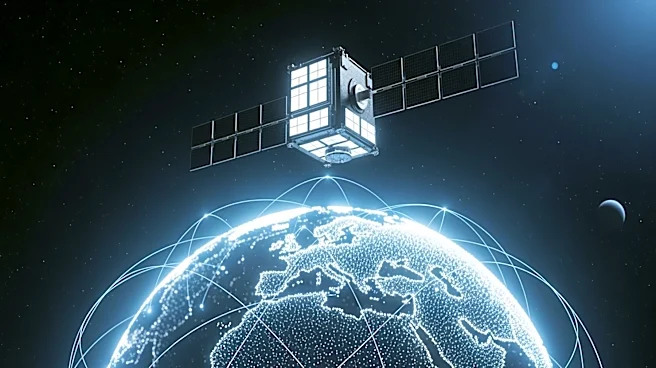
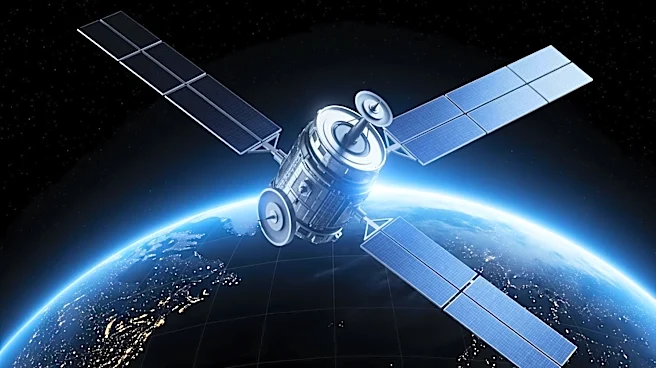
Sophia Space, a startup focused on orbital data centers, has entered into a partnership with Kepler Communications to test its operating system, SOOS, on Kepler's distributed in-orbit compute network. This collaboration marks Sophia's first opportunity
to validate its software in space. The agreement aims to demonstrate the feasibility of a shared infrastructure in orbit, allowing both Sophia and non-Sophia satellites to operate cohesively. Sophia plans to upload its SOOS to the Kepler network by the end of the year, where it will be tested in an isolated container to assess its operational capabilities in space. The partnership is part of Sophia's broader strategy to establish itself as a leader in the emerging field of orbital data centers, having already raised $10 million to develop its first in-orbit data center, known as 'Tiles'.
Why It's Important?
The partnership between Sophia Space and Kepler Communications is significant as it represents a step forward in the development of orbital data centers, a concept that has gained traction recently. If successful, this collaboration could pave the way for more widespread adoption of in-orbit computing services, potentially transforming industries such as AI weather forecasting and Earth observation analytics. The ability to process data in space could lead to faster and more efficient data handling, benefiting sectors like defense, where real-time data processing is crucial. This development could also position Sophia Space as a key player in the space technology industry, potentially leading to increased investment and interest in orbital data centers.
What's Next?
Sophia Space and Kepler Communications plan to continue their collaboration by advancing the use of their software for various applications, including AI weather forecasting and Earth observation analytics. Sophia aims to have its first 'Tiles' data center operational in space by the second half of 2027. The success of this partnership could lead to further expansion of Sophia's presence in Kepler's network and the broader market for in-orbit computing services. As the technology proves its viability, other companies may also explore similar partnerships, potentially accelerating the growth of the orbital data center industry.