



What's Happening?
Electrification is increasingly recognized as a crucial strategy for achieving decarbonization and enhancing energy efficiency across various sectors. Technologies such as heat pumps and electric vehicles are highlighted for their lower energy consumption
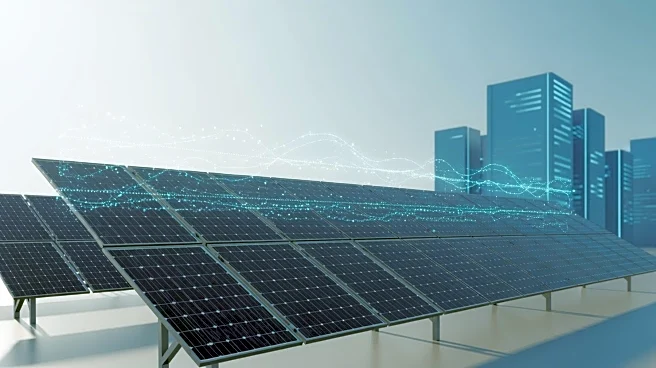
compared to traditional fossil fuel-based systems. The shift towards decentralized energy resources, including rooftop solar and energy storage, supports energy security and grid reliability. Mourad Chergui, a senior product manager at Delta-Q Technologies, emphasizes the importance of electrification in reducing greenhouse gas emissions and improving operational efficiencies.
Why It's Important?
The move towards electrification is pivotal in the global effort to reduce carbon emissions and combat climate change. By transitioning to electric systems, industries can achieve significant energy savings and reduce their reliance on volatile fossil fuel markets. This shift not only supports environmental goals but also enhances energy security and resilience. The adoption of electrification technologies can lead to economic benefits through reduced operational costs and improved energy management, making it a compelling strategy for both public and private sectors.
What's Next?
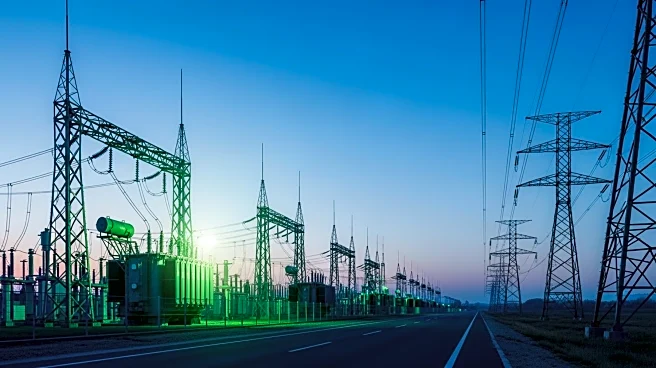
As electrification continues to gain momentum, governments and industries are expected to increase investments in research and development to further advance these technologies. Policy interventions, such as subsidies and incentives, will likely play a crucial role in accelerating the adoption of electric systems. The focus will be on expanding infrastructure for electric vehicles and renewable energy sources, as well as developing smart grid technologies to optimize energy distribution and consumption. These efforts will be essential in achieving long-term sustainability and energy independence.