








What's Happening?
A recent study published in the journal Food & Function highlights that fewer than one in five people in the United States and the United Kingdom consume enough flavanols daily to reduce cardiovascular disease risk. Despite the common '5 a day' recommendation
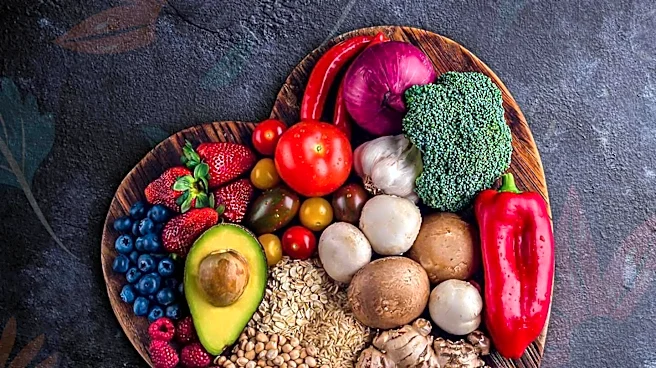
for fruit and vegetable intake, the study found that this is not sufficient for adequate flavanol consumption. Flavanols, which are plant compounds with antioxidative and anti-inflammatory properties, are found in foods such as apples, blackberries, blueberries, grapes, tea, cacao, and certain legumes. The study analyzed dietary data from over 30,000 participants, revealing that most individuals do not meet the recommended daily intake of 400-600 mg of flavanols, as suggested by the American Academy of Nutrition and Dietetics.
Why It's Important?
The findings underscore the importance of not only consuming a variety of fruits and vegetables but also focusing on those rich in specific compounds like flavanols. Heart disease remains a leading cause of death, and diet is a modifiable risk factor. By increasing flavanol intake, individuals can potentially improve vascular function and reduce cardiovascular mortality. This study suggests that public health recommendations may need to emphasize the quality and type of produce consumed, rather than just quantity, to effectively combat heart disease.
What's Next?
The study's results may prompt healthcare professionals and nutritionists to revise dietary guidelines to include specific recommendations for flavanol-rich foods. This could lead to increased public awareness and education campaigns about the benefits of flavanols. Additionally, food manufacturers might explore fortifying products with flavanols or highlighting flavanol content in marketing to appeal to health-conscious consumers.
Beyond the Headlines
The study also touches on the broader implications of dietary diversity and the role of specific nutrients in disease prevention. As research continues to uncover the health benefits of various plant compounds, there may be a shift towards more personalized nutrition advice. This could lead to a greater emphasis on dietary patterns that support overall wellness and longevity, beyond just heart health.