







What's Happening?
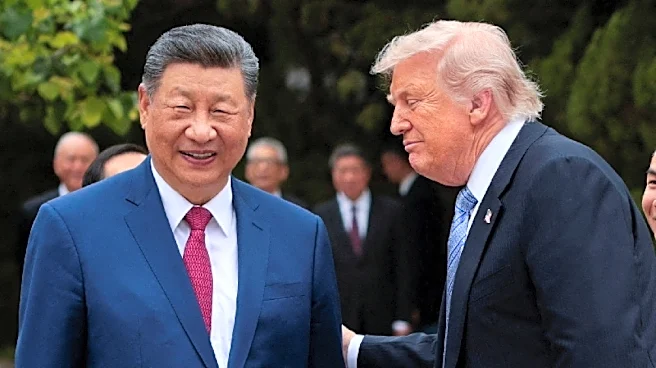
China has agreed to purchase at least $17 billion worth of U.S. agricultural products annually through 2028. This commitment marks a significant outcome of recent trade negotiations between the U.S. and China, the world's two largest economies. The agreement
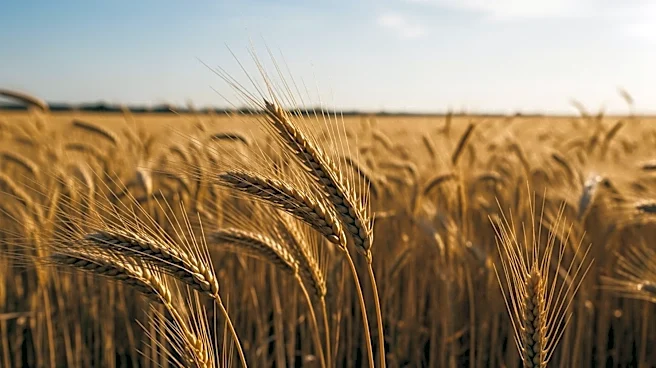
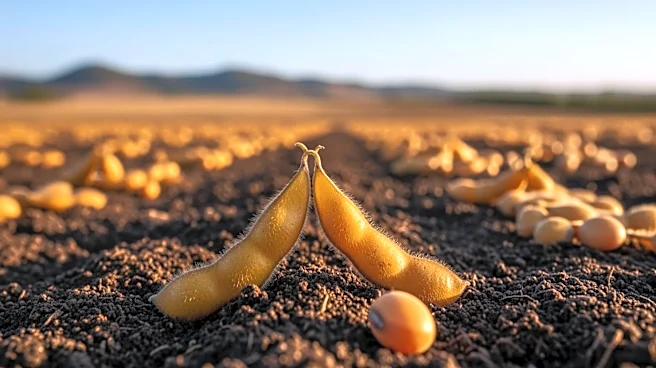
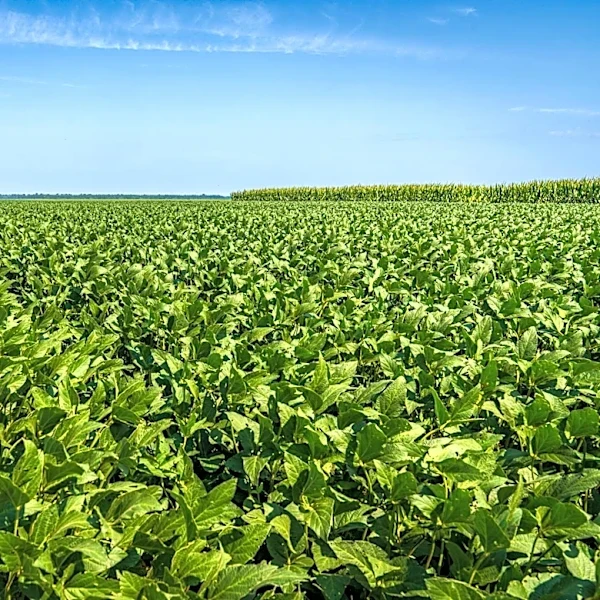
includes a variety of agricultural goods such as soybeans, corn, sorghum, pork, cotton, animal feed, and dairy products. However, this figure is a reduction from the $30 billion annual target set in the Phase One trade deal signed in January 2020. Despite substantial imports of U.S. farm products, China did not meet the previous targets. The new multi-year timeline extends beyond typical political cycles in both countries, providing U.S. farmers with a guaranteed purchasing floor.
Why It's Important?
The $17 billion annual commitment is crucial for U.S. farmers, offering a stable demand baseline amidst shifting global trade dynamics. The reduction from previous targets reflects changes in China's import strategies, including diversification of agricultural supply chains. This agreement provides some certainty for American producers, who have faced challenges due to tariffs and unmet purchase commitments. The deal's impact on agricultural commodity prices could influence inflation expectations and central bank policies, indirectly affecting broader economic conditions. While the commitment is significant for agriculture, it is modest compared to the overall scale of U.S.-China trade.
What's Next?
The agreement sets a purchasing floor for U.S. agricultural goods, but ongoing negotiations may address other trade components, such as tariff reductions and market access improvements. U.S. farmers and industry stakeholders will likely monitor the implementation of this commitment closely, assessing its impact on their operations and planning for potential shifts in demand. The broader trade relationship between the U.S. and China remains complex, with future negotiations potentially influencing other sectors and economic policies.
Beyond the Headlines
The trade deal highlights the evolving nature of U.S.-China economic relations, with implications for global supply chains and geopolitical strategies. China's diversification efforts in agricultural imports reflect broader shifts in international trade patterns, potentially affecting U.S. dominance in certain commodity markets. The agreement underscores the importance of stable trade relationships in maintaining economic stability and growth, particularly in the agricultural sector.