







What's Happening?
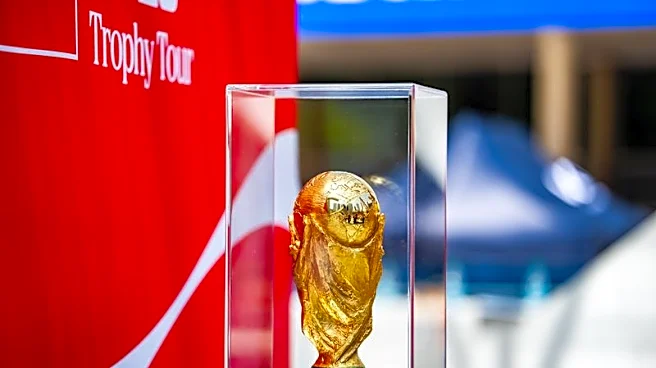
As the 2026 World Cup approaches, brands are being cautioned against trademark infringement, particularly through ambush marketing strategies. Official sponsors like Coca-Cola and Adidas have invested heavily in their partnerships with FIFA, and the organization
is set to enforce its trademarks rigorously. The event, hosted in the U.S., Canada, and Mexico, is expected to attract a global audience of six billion viewers. Brands not officially affiliated with the World Cup are advised to avoid using FIFA trademarks in their marketing to prevent legal repercussions.
Why It's Important?
The World Cup presents a lucrative marketing opportunity, but the risk of trademark infringement poses significant legal and financial threats to brands. Official sponsors have made substantial investments, and protecting these interests is crucial for maintaining the integrity of sponsorship agreements. The enforcement of trademark laws during such a high-profile event underscores the importance of intellectual property rights in global marketing strategies. Brands must navigate these legal landscapes carefully to capitalize on the World Cup's commercial potential without facing litigation.
What's Next?
Brands will need to develop marketing strategies that comply with FIFA's trademark regulations. This involves careful planning and legal review to ensure campaigns do not imply unauthorized associations with the World Cup. As the event draws closer, increased scrutiny from FIFA and legal entities is expected, with potential legal actions against infringing brands. Companies must balance creative marketing with legal compliance to successfully engage with the World Cup audience.