



What's Happening?
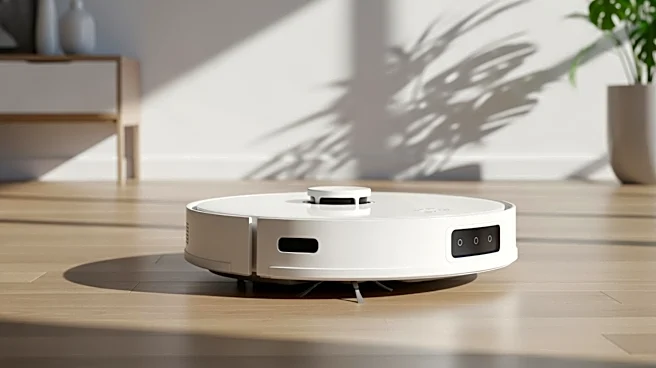
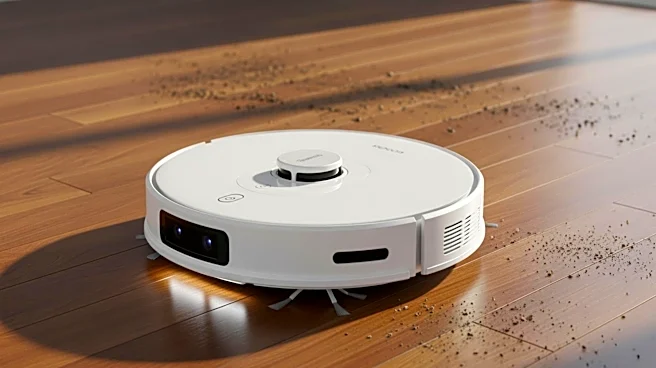
The Roborock Saros 20, a flagship robot vacuum and mop for 2026, has been reviewed for its performance and features. Priced at $1,600, the Saros 20 is equipped with advanced AI features, a lifting chassis, and a low-profile design, allowing it to navigate
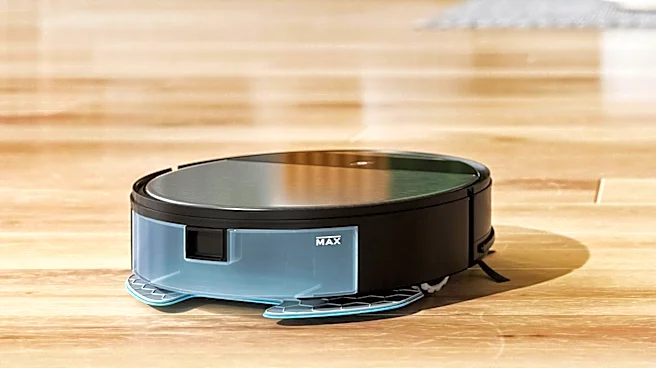
under furniture and over thresholds. Despite these innovations, the vacuum's performance in cleaning tests was mixed. While it handled routine cleaning well, it struggled with larger, dense messes. The Saros 20's object avoidance system, which claims to recognize 300 objects, showed improvement over time but still had issues with certain obstacles. The vacuum's mopping capabilities were also limited, particularly with sticky residues, suggesting that newer roller-style mops might be more effective.
Why It's Important?
The Roborock Saros 20's performance highlights the ongoing challenges in the development of fully autonomous cleaning robots. As consumers increasingly look for smart home solutions, the ability of these devices to handle complex cleaning tasks without human intervention is crucial. The Saros 20's limitations in handling large messes and its object avoidance issues could impact consumer satisfaction and influence purchasing decisions. This review underscores the importance of continued innovation in AI and robotics to meet consumer expectations for convenience and efficiency in home cleaning.
What's Next?
For Roborock, addressing the Saros 20's shortcomings could involve refining its AI algorithms and improving its hardware design to better handle diverse cleaning scenarios. Future models may need to incorporate more advanced object recognition and cleaning technologies to enhance performance. As the market for smart home devices grows, competition will likely drive further advancements in robot vacuum technology, potentially leading to more capable and reliable products.