
What's Happening?
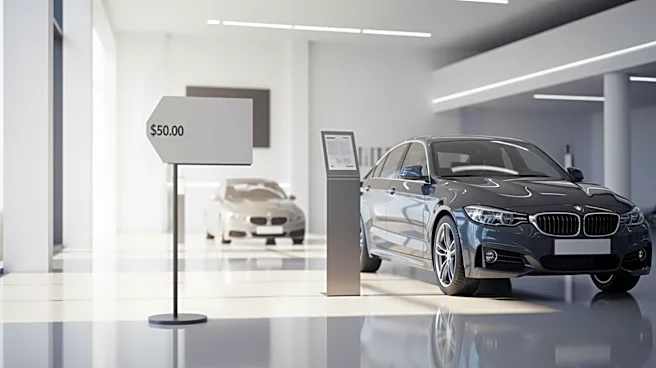
Public dealership groups in the U.S. are increasingly turning to used vehicles as a strategic response to the ongoing affordability crisis in the automotive market. The six major public dealership groups are emphasizing
volume and profit strategies centered around used cars. This shift comes as new vehicle sales face challenges, including declining sales from major automakers like Toyota, Honda, Hyundai, Kia, Subaru, and Mazda. The market is adjusting from a previous boost due to tariff-related factors. The focus on used vehicles is seen as a way to maintain profitability and meet consumer demand for more affordable options.
Why It's Important?
The strategic pivot towards used vehicles by public dealership groups highlights a significant trend in the automotive industry, driven by economic pressures and consumer demand for cost-effective transportation solutions. This shift could have broad implications for the automotive market, potentially affecting new vehicle sales, pricing strategies, and inventory management. Consumers may benefit from increased availability and competitive pricing of used vehicles, while automakers might face pressure to adjust their production and sales strategies. The emphasis on used cars also reflects broader economic challenges, including inflation and interest rate fluctuations, impacting consumer purchasing power.
What's Next?
As public dealership groups continue to focus on used vehicles, the automotive industry may see further adjustments in sales strategies and inventory management. Automakers might respond by offering more incentives on new vehicles or exploring new models to attract buyers. Additionally, the trend could influence the development of certified pre-owned programs and financing options tailored to used car buyers. Stakeholders, including dealerships, automakers, and consumers, will likely monitor market dynamics closely to adapt to changing economic conditions and consumer preferences.