






What's Happening?
A former chief of Asda has addressed the ongoing debate surrounding dynamic pricing in the retail sector, emphasizing that the real issue is not the pricing model itself but the perception of fairness among consumers. Dynamic pricing, commonly accepted
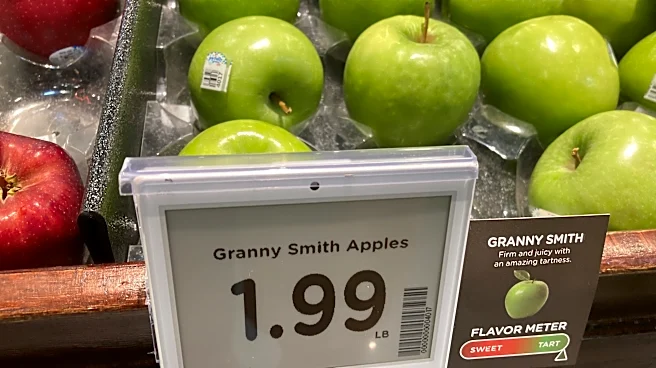
in industries like airlines and hotels, is often misunderstood in retail, where consumers may feel blindsided by unexpected price changes. The former chief argues that the problem arises when customers feel they are being unfairly charged, a situation he terms 'insult pricing.' He points out that while electronic shelf-edge labels (ESLs) are being adopted by retailers for operational efficiency, concerns about their potential to enable surge pricing are misplaced. Instead, he suggests that the future of retail pricing lies in personalized offers and loyalty schemes, which can provide value to both consumers and retailers.
Why It's Important?
The discussion on dynamic pricing is significant as it touches on consumer trust and the evolving landscape of retail pricing strategies. As retailers increasingly adopt technology like ESLs, understanding consumer perceptions becomes crucial. The potential for personalized offers represents a shift towards more targeted marketing, which could enhance customer satisfaction and loyalty if executed transparently. This approach could also help retailers manage inventory more effectively and reduce food waste, aligning with broader sustainability goals. However, the success of these strategies hinges on maintaining consumer trust, which remains a critical factor in retail.
What's Next?
Retailers are likely to continue exploring personalized pricing strategies, focusing on transparency and consumer engagement. As technology advances, the industry may see more sophisticated targeting of promotions based on shopping behavior. This could lead to a reduction in broad discounts in favor of tailored incentives. Additionally, the integration of digital notifications for markdowns could become more prevalent, helping to minimize food waste. Retailers will need to balance technological advancements with the need to maintain consumer trust, ensuring that pricing strategies are perceived as fair and beneficial.
Beyond the Headlines
The shift towards personalized offers and digital pricing tools highlights a broader trend in retail towards data-driven decision-making. This evolution raises questions about data privacy and the ethical use of consumer information. As retailers gather more data to tailor offers, they must navigate the fine line between personalization and privacy. Ensuring that consumers feel their data is used responsibly will be key to maintaining trust. Furthermore, the focus on reducing food waste through smarter inventory management aligns with global sustainability efforts, potentially setting new standards for environmental responsibility in the retail sector.