



What's Happening?
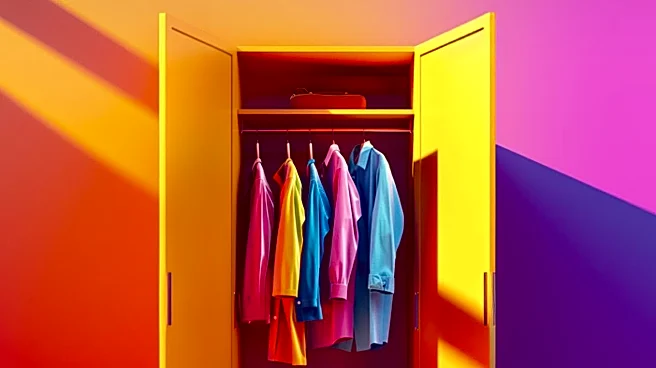
The fashion industry is set to embrace bold colors, tassels, and loud luxury as key trends for the spring/summer 2026 season. Major fashion houses such as Loewe, Dior, and Fendi have showcased collections featuring vibrant hues like yellow, red, and green, moving away from the previous year's trend of quiet luxury. This shift towards maximalism includes voluminous dresses, luxurious fabrics, and chunky jewelry, as seen in the collections of Saint Laurent and Missoni. The trend of embellished pieces, such as tasselled bags and fringed skirts, is believed to be a response to global economic uncertainty, with designers like Ellie Saab and Louis Vuitton incorporating these elements into their runway shows.
Why It's Important?
The shift towards bold and extravagant fashion
trends reflects broader societal and economic conditions. In times of financial uncertainty, consumers often gravitate towards investment pieces that make a statement, providing a sense of luxury and escapism. This trend could influence consumer spending patterns, with potential impacts on retail sales and the fashion industry's economic performance. The emphasis on maximalism and embellishment may also drive demand for specific materials and craftsmanship, affecting supply chains and production processes within the industry.
What's Next?
As these trends gain traction, fashion retailers and designers may need to adapt their offerings to meet consumer demand for bold and luxurious items. This could lead to increased competition among brands to capture market share in the high-end fashion segment. Additionally, the focus on statement pieces may encourage consumers to explore secondhand and vintage markets for unique items, potentially impacting traditional retail models. Fashion weeks and industry events will likely continue to showcase these trends, influencing future collections and consumer preferences.
Beyond the Headlines
The embrace of bold and luxurious fashion trends may also have cultural implications, as fashion often serves as a reflection of societal values and aspirations. The move towards maximalism could signify a desire for self-expression and individuality in a world facing economic and social challenges. Furthermore, the fashion industry's response to these trends may highlight the role of creativity and innovation in navigating uncertain times, offering insights into how other industries might adapt to similar challenges.