




What's Happening?
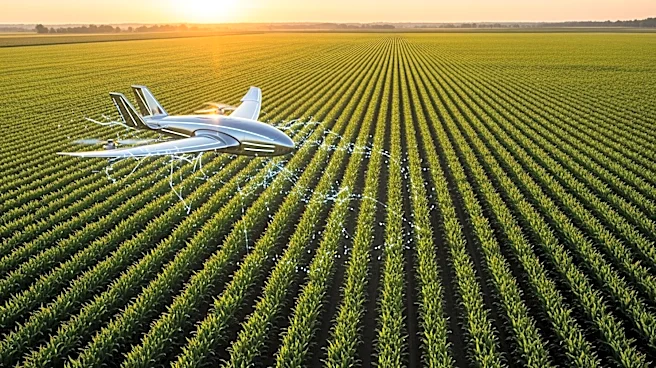
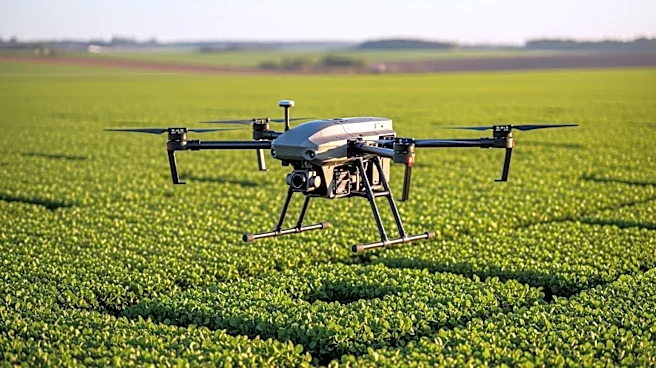
Artificial intelligence (AI) is increasingly being integrated into agriculture, offering potential improvements in productivity and resilience. Technologies such as precision farming tools are enhancing fertilizer use, irrigation, yield prediction, and pest
management. However, the benefits of AI in agriculture are not evenly distributed. Smallholder farmers, who make up a significant portion of the agricultural workforce in developing countries, face challenges in accessing these technologies due to limited infrastructure, financial constraints, and digital literacy. The lack of supportive policies and reliable infrastructure could exacerbate existing inequalities, rather than alleviate them. Ethical concerns, such as data ownership and privacy, also pose significant challenges, particularly in regions with weak data governance.
Why It's Important?
The integration of AI in agriculture has the potential to significantly boost productivity and resilience, which is crucial for meeting the food demands of a growing global population. However, without equitable access and supportive policies, the technology could widen the gap between developed and developing regions, leaving smallholder farmers at a disadvantage. This could lead to increased food insecurity and economic disparities. Addressing these challenges is essential to ensure that AI contributes positively to global food systems and supports sustainable development goals.
What's Next?
To harness the full potential of AI in agriculture, there is a need for policies that promote equitable access to technology, reliable infrastructure, and financial support for smallholder farmers. Gradual adoption of AI tools, starting with simple technologies, could help bridge the digital divide. Additionally, addressing ethical concerns around data governance and privacy is crucial to building trust and ensuring responsible AI use in agriculture.