



What's Happening?
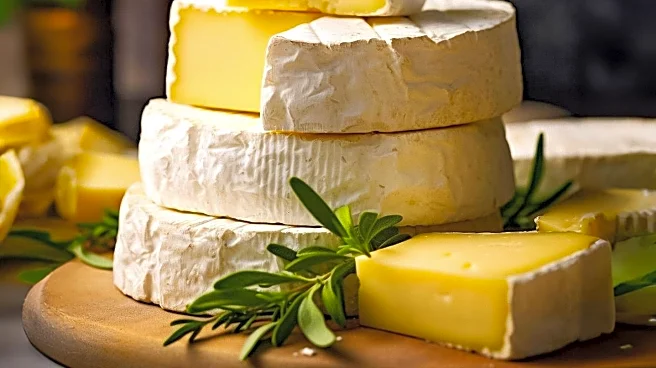
A study conducted in Sweden has found a potential link between the consumption of high-fat cheese and a reduced risk of developing dementia. Researchers analyzed data from 27,670 individuals over an average period of 25 years. Participants who consumed 50 grams or more of high-fat cheese daily had a 13% lower risk of developing dementia compared to those who ate less. The study also noted a 29% lower risk of vascular dementia among high-fat cheese consumers. However, the study, published in the journal Neurology, emphasizes that these findings only show an association and do not prove causation. The research did not find similar associations with low-fat dairy products or fermented milk. The study's results challenge traditional views on dietary
fats and brain health, suggesting that some high-fat dairy products might offer protective benefits against dementia.
Why It's Important?
The findings of this study could have significant implications for dietary guidelines and public health strategies aimed at reducing dementia risk. If further research confirms these results, it could lead to a reevaluation of dietary recommendations concerning high-fat dairy products. This study also highlights the complexity of nutritional science, where traditional assumptions about fats and health are being questioned. The potential protective effect of high-fat cheese against dementia could influence consumer choices and dietary habits, particularly among populations at risk for cognitive decline. However, the study's observational nature means that more rigorous research is needed to establish a causal relationship.
What's Next?
Further research is necessary to confirm the study's findings and explore the mechanisms by which high-fat cheese might influence dementia risk. Future studies could focus on different populations and dietary habits to determine if the results are consistent across various demographics. Additionally, researchers may investigate the specific components of high-fat cheese that could contribute to its potential protective effects. These efforts could eventually lead to updated dietary guidelines and recommendations for preventing dementia.