






What's Happening?
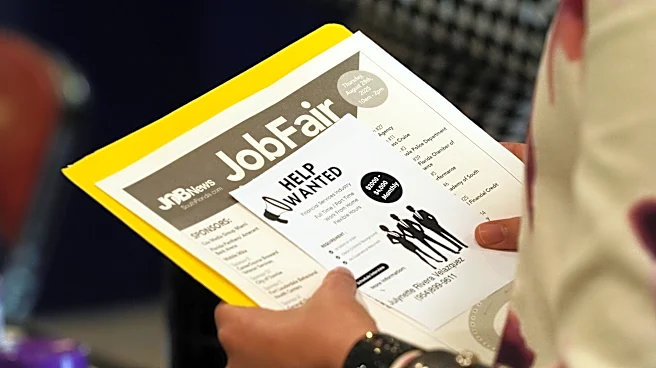
The Federal Reserve is contemplating an interest rate hike following a robust May jobs report, which showed a significant increase in nonfarm payrolls by 172,000 jobs. This exceeded market expectations and marked the strongest three-month advance in over
two years. The unemployment rate remained steady at 4.3%, indicating a firming labor market across multiple sectors. The report has led to increased speculation about a potential rate hike by the Federal Reserve to manage inflation, despite concerns about rising energy prices affecting consumer sentiment. The labor market's strength is evident in sectors like leisure, hospitality, healthcare, and nonresidential construction, which have seen notable job growth.
Why It's Important?
The potential interest rate hike by the Federal Reserve is significant as it reflects the central bank's response to a strengthening labor market and inflationary pressures. A rate increase could impact various economic stakeholders, including businesses and consumers, by potentially increasing borrowing costs. The decision is crucial for maintaining economic stability and controlling inflation, especially in light of recent energy price surges. Investors are closely watching the Federal Reserve's actions, as a rate hike could influence market dynamics, including stock and bond markets, and affect economic growth prospects.
What's Next?
The Federal Reserve's upcoming policy meeting on June 16-17 will be closely monitored, as it is expected to provide further insights into the central bank's stance on interest rates. While the Fed is likely to leave its benchmark rate unchanged at this meeting, the odds of a rate increase in the second half of the year have risen. Market participants and economists will be looking for signals from the Fed regarding its future monetary policy direction, especially in light of ongoing economic uncertainties and inflationary pressures.