




What's Happening?
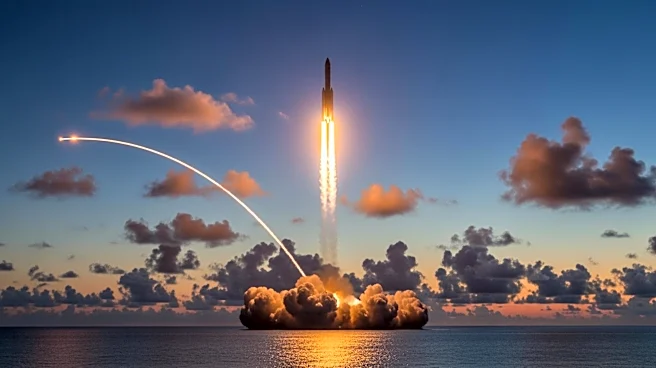
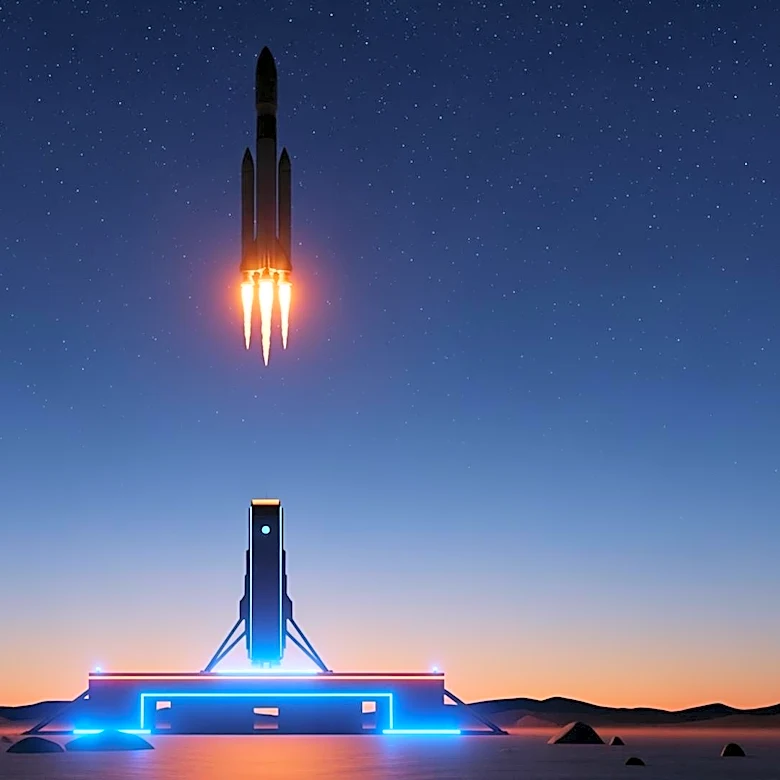
SpaceX executed two successful launches of its Falcon 9 rockets, deploying Starlink satellites from two different locations within a span of 20 hours. The first launch took place from Cape Canaveral Space Force Station in Florida, where 29 Starlink satellites were
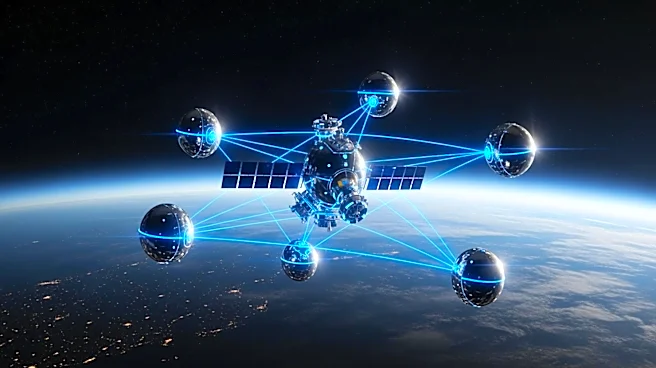
sent into orbit. The second launch occurred at Vandenberg Space Force Base in California, deploying an additional 25 satellites. Both missions were part of SpaceX's ongoing efforts to expand its Starlink internet service, which now includes over 10,200 satellites in low Earth orbit. The Falcon 9 rockets used for these missions were successfully recovered, with Booster B1080 landing on the droneship 'Just Read the Instructions' in the Atlantic Ocean, and Booster 1082 landing on 'Of Course I Still Love You' in the Pacific Ocean.
Why It's Important?
These launches are significant as they demonstrate SpaceX's capability to rapidly deploy satellites, enhancing its Starlink internet service. The expansion of the Starlink constellation is crucial for providing global internet coverage, particularly in remote and underserved areas. The successful recovery and reuse of the Falcon 9 boosters also highlight SpaceX's advancements in cost-effective space travel, potentially reducing the cost of future launches. This development is a step forward in the commercialization of space and could influence the competitive landscape of satellite internet providers.
What's Next?
SpaceX is expected to continue its aggressive launch schedule to further expand the Starlink network. The company aims to increase the number of satellites in orbit, which could improve service quality and coverage. Additionally, SpaceX's plans for a potential IPO could be influenced by the success of these launches, as they demonstrate the company's operational capabilities and market potential. Stakeholders, including investors and competitors, will likely monitor SpaceX's progress closely.