







What's Happening?
The telecommunications industry is undergoing a significant transformation with the integration of AI-enabled networks. AT&T and Comcast are at the forefront, implementing AI to manage network traffic and enhance service delivery. AT&T's network CTO,
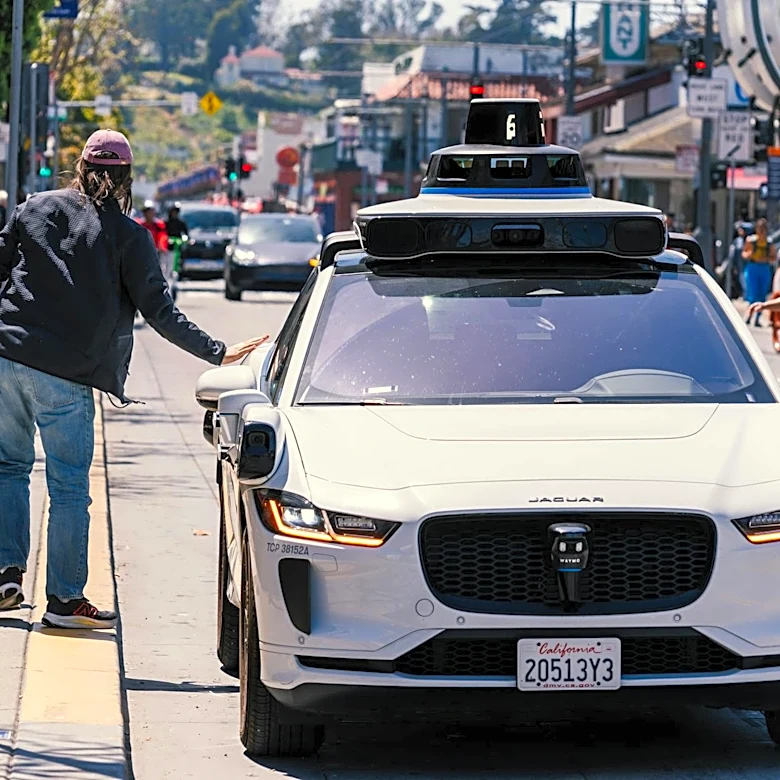
Yigal Elbaz, highlighted the impact of AI on network traffic, citing the example of robotaxis generating substantial data. The shift towards AI-driven networks is altering traditional network operations, requiring networks to support more symmetrical traffic. Both AT&T and Comcast are investing in AI infrastructure to improve network efficiency and customer service.
Why It's Important?
The integration of AI into telecommunications networks represents a major shift in how these networks operate, with potential implications for U.S. consumers and businesses. AI-enabled networks promise improved service reliability and efficiency, which could enhance user experience and drive innovation in digital services. This transformation also poses challenges, such as the need for new infrastructure investments and potential regulatory considerations. The shift towards AI-driven networks could influence global telecommunications standards and competitive dynamics, impacting U.S. companies' strategies in the sector.
Beyond the Headlines
The move towards AI-enabled networks raises questions about data privacy and security, as these networks handle increasing amounts of sensitive information. There is also a need to address the digital divide, ensuring that advancements in network technology benefit all users, not just those with access to the latest infrastructure. The telecommunications industry must navigate these challenges while communicating the benefits of AI-enabled networks to consumers, who may be unaware of the potential advantages.