



What's Happening?
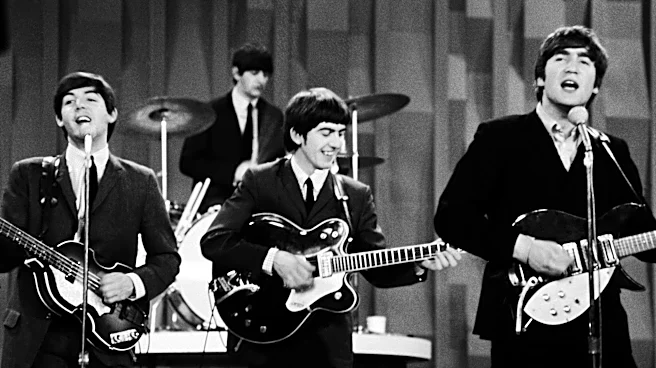
Paul McCartney's recent concert tour, part of his 'Got Back Tour,' showcases a unique interpretation of 'late style' in rock and roll. The concert featured a mix of Beatles classics and newer works, reflecting on the passage of time and the evolution
of music. McCartney, now in his 80s, continues to perform with vigor, offering a blend of nostalgia and fresh perspectives on his extensive catalog. The concert included performances of early Beatles songs like 'In Spite of All the Danger' and newer pieces such as 'Now and Then,' a song completed from a late 1970s Lennon recording. This approach to performance highlights McCartney's ability to reinterpret his work, providing audiences with a sense of history and continuity.
Why It's Important?
McCartney's ongoing performances underscore the enduring influence of rock and roll as an art form. His ability to adapt and reinterpret his music speaks to the broader evolution of the genre, which has matured from its rebellious roots into a respected artistic medium. This evolution is significant for the music industry, as it highlights the potential for longevity and reinvention in an artist's career. McCartney's concerts serve as a testament to the lasting impact of the Beatles and the continued relevance of their music. For fans and the music community, these performances offer a chance to reflect on the cultural and historical significance of rock and roll.
What's Next?
As McCartney continues to tour and release new music, his work will likely inspire both contemporary artists and audiences. His approach to 'late style' may influence how other aging musicians present their work, potentially leading to a broader acceptance of older artists in the mainstream music scene. Additionally, McCartney's concerts may encourage a reevaluation of the Beatles' legacy, prompting discussions about the band's impact on modern music and culture.
Beyond the Headlines
McCartney's concerts also raise questions about the nature of artistic legacy and the role of aging artists in the music industry. His ability to connect with audiences across generations suggests that music can serve as a bridge between past and present, offering insights into the human experience. This perspective challenges traditional notions of youth-centric music culture and highlights the value of experience and maturity in artistic expression.