
What's Happening?
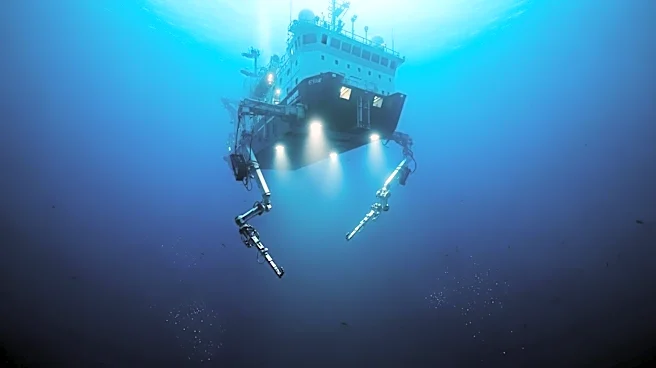
The Metal Company has moved closer to obtaining commercial authorization for deep-sea mining following a significant procedural determination by NOAA in May 2026. This development is part of the company's
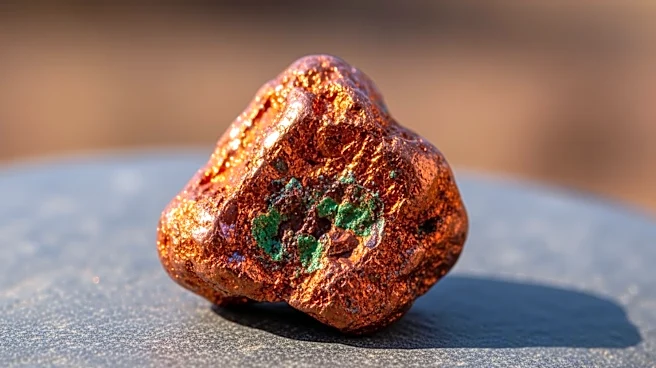
consolidated application under the Deep Seabed Hard Mineral Resources Act (DSHMRA), which governs seabed mineral extraction by U.S.-sponsored operators. The application, which combines two prior exploration licenses with a new commercial recovery permit request, aims to exploit polymetallic nodules in the Clarion-Clipperton Zone of the central Pacific Ocean. These nodules are rich in critical minerals like nickel, cobalt, manganese, and copper, essential for battery production and other technologies. The compliance determination allows the application to advance into the certification and environmental review process, although no exploration or commercial activities are authorized at this stage.
Why It's Important?
The approval process for deep-sea mining by The Metal Company is significant due to its potential impact on global supply chains for critical minerals. As demand for these minerals grows, particularly for use in electric vehicles and renewable energy technologies, terrestrial sources are becoming increasingly geopolitically concentrated. Deep-sea mining offers an alternative, potentially reducing reliance on land-based reserves. However, the environmental implications are substantial, with concerns about ecosystem disruption, sediment plumes, and irreversible habitat damage. The market has reacted positively to the procedural milestone, with The Metal Company's shares rising, indicating investor confidence in the potential for commercial viability. This development could set a precedent for future deep-sea mining operations under U.S. law, influencing regulatory frameworks and investor strategies globally.
What's Next?
The application will now enter the certification stage, involving a draft Environmental Impact Statement (EIS) prepared by NOAA. This document will assess the ecological, biological, and geochemical impacts of the proposed operations. A public comment period will follow, allowing input from scientific institutions, environmental organizations, and other stakeholders. The final EIS will inform NOAA's decision on whether to issue the necessary licenses and permits, expected by Q1 2027. The process faces potential delays from environmental litigation and international diplomatic pressure, as some nations and scientific bodies advocate for a moratorium on commercial deep-sea mining. The outcome will depend on the robustness of environmental governance frameworks and sustained commodity price support.
Beyond the Headlines
The environmental dimension of deep-sea mining is a critical aspect of the approval process. The Metal Company has submitted extensive exploration data to the International Seabed Authority, reflecting a significant scientific effort to establish a pre-mining environmental baseline. However, the scientific community remains concerned about the potential for irreversible damage to deep-sea ecosystems, which are poorly understood and slow to recover. The regulatory framework under DSHMRA operates independently of the International Seabed Authority, highlighting the complexity of international governance in this emerging sector. A successful outcome for The Metal Company could influence how other nations develop their seabed mining legislation, potentially reshaping the global landscape for critical mineral extraction.