




What's Happening?
UCLA's football program is undergoing a strategic shift in its recruiting focus, emphasizing the development of its offensive line. Historically, the Bruins have struggled with depth and consistency in their offensive line, often relying on transfers
to fill gaps. This approach left them vulnerable against more physically dominant teams, particularly as they transition into the Big Ten Conference, known for its physical style of play. The current recruiting cycle marks a departure from past practices, with UCLA securing commitments from multiple offensive line prospects for the 2027 class. This move is seen as a foundational step towards building a more competitive team capable of contending in the Big Ten. The emphasis on long-term development and local talent recruitment is a significant change, aiming to create a sustainable and robust program.
Why It's Important?
The shift in UCLA's recruiting strategy is crucial as it aligns with the demands of competing in the Big Ten Conference. The conference is renowned for its physicality, and a strong offensive line is essential for success. By focusing on building depth and developing talent in the trenches, UCLA is positioning itself to be more competitive against powerhouse programs like Ohio State, Penn State, and Michigan. This strategic focus could lead to improved performance on the field, potentially elevating UCLA's status within the conference. Additionally, this approach may attract more local talent and foster a culture of development, which could have long-term benefits for the program's stability and success.
What's Next?
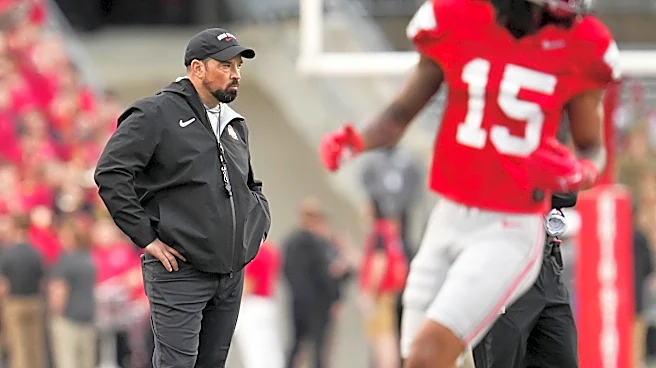
As UCLA continues to implement its new recruiting strategy, the next steps involve integrating these recruits into the program and developing them into effective Big Ten players. The coaching staff, led by Bob Chesney, will need to focus on nurturing these players' skills and ensuring they adapt to the physical demands of the conference. The success of this strategy will likely be evaluated over the coming seasons as these recruits mature and contribute to the team's performance. Stakeholders, including fans and alumni, will be watching closely to see if this approach translates into on-field success and a stronger competitive standing in the Big Ten.