





What's Happening?
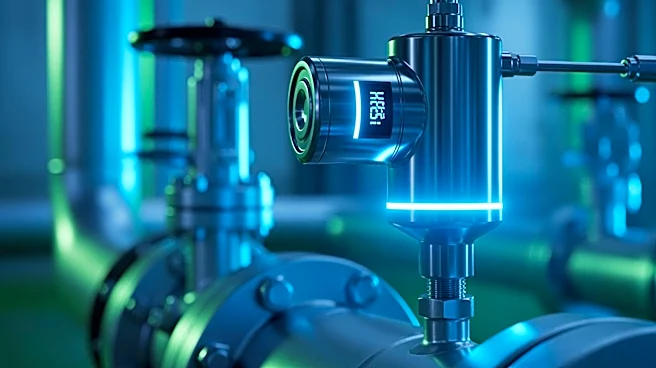
VEGA has launched a new line of pressure sensors designed to meet the demanding needs of the energy sector. The VEGABAR series, including models 28, 38, 81, and 82, offers robust and precise pressure and level measurement solutions. These sensors are
engineered to handle a variety of applications in energy production, transmission, and processing. The VEGABAR 28 is tailored for gas, vapor, and liquid applications, featuring a ceramic measuring cell that operates at temperatures up to 130°C. The VEGABAR 38 provides reliable performance across gases, vapors, and liquids, with a ceramic cell resistant to overload and vacuum conditions. The VEGABAR 81 is designed for extreme conditions, such as high temperatures up to 400°C, and the VEGABAR 82 offers durability against temperature shocks and abrasive substances. These sensors integrate seamlessly with digital control systems and offer features like wireless setup and diagnostics, enhancing safety and process transparency.
Why It's Important?
The introduction of VEGA's advanced pressure sensors is significant for the energy sector, which requires precise and reliable instrumentation to ensure safe and efficient operations. These sensors help energy facilities optimize efficiency, enhance safety, and comply with regulatory standards. By providing robust solutions that can withstand harsh conditions, VEGA's sensors reduce downtime and maintenance costs, contributing to greater operational uptime. The ability to integrate with both legacy and advanced automation systems makes these sensors versatile and valuable for a wide range of energy applications, from refineries to power stations. This innovation supports the energy sector's ongoing efforts to improve operational safety and efficiency while preparing for future technological advancements.
What's Next?
As VEGA's pressure sensors are adopted across the energy sector, facilities are likely to experience improved operational efficiency and safety. The sensors' advanced diagnostic features and seamless integration capabilities may lead to broader adoption in various energy applications. Energy companies might explore further customization and integration of these sensors into their existing systems to maximize benefits. Additionally, the focus on regulatory compliance and safety could drive further innovation in sensor technology, potentially leading to new developments in energy sector instrumentation.