



What's Happening?
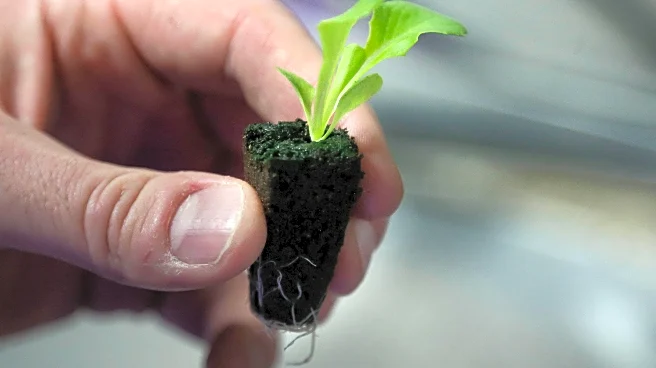
As winter continues, gardening experts are encouraging enthusiasts to begin preparations for the upcoming spring season. Sharon Yiesla, a plant knowledge specialist at The Morton Arboretum, highlights the importance of utilizing the winter months to plan and prepare for a more successful garden. Key tasks include reviewing last year's garden notes, measuring yard space, and researching suitable plants. Pruning deciduous shrubs, ordering seeds, and scheduling seed-starting are also recommended. Additionally, gardeners are advised to cut back ornamental grasses and plan raised beds for vegetables. These activities not only prepare the garden for spring but also help alleviate cabin fever during the colder months.
Why It's Important?
The guidance provided by gardening
experts is crucial for ensuring a productive and aesthetically pleasing garden in the spring. By planning and preparing during the winter, gardeners can avoid common pitfalls such as overcrowding plants or selecting inappropriate species for their environment. This proactive approach can lead to healthier plants and a more enjoyable gardening experience. Moreover, engaging in gardening activities during winter can have mental health benefits, providing a sense of purpose and reducing stress. The advice also emphasizes sustainable practices, such as careful plant selection and proper pruning techniques, which contribute to long-term garden health.
What's Next?
As spring approaches, gardeners will begin implementing their winter plans. This includes starting seeds indoors, constructing raised beds, and monitoring perennials for frost heaving. The transition from planning to action will require attention to weather patterns and adaptability to changing conditions. Gardeners may also seek further advice from resources like The Morton Arboretum's online plant care guides. As the season progresses, continued maintenance and adjustments will be necessary to ensure the garden thrives. Community gardening groups and workshops may also offer additional support and knowledge sharing opportunities.